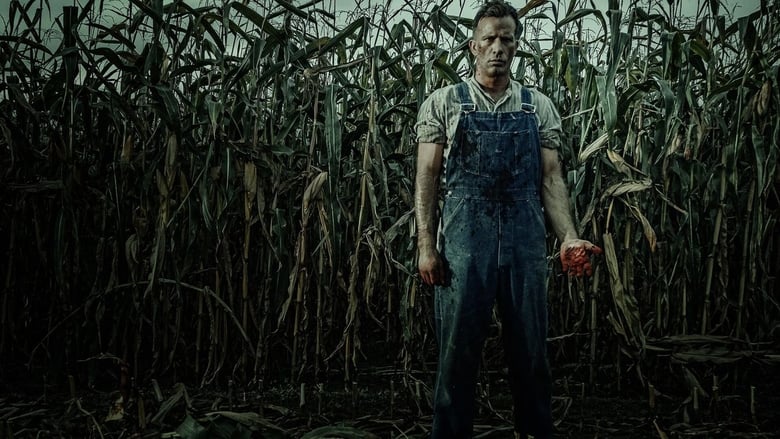
🎬 1922 (2017)
Based on novel
Stephen King's 2010 novella "1922" is a masterclass in slow-burning, rural Gothic horror, and its 2017 Netflix adaptation captures that creeping dread with grim fidelity. The story is a confession, narrated by Nebraska farmer Wilfred James, who convinces his teenage son to help him murder his wife to keep their land. What follows is less a whodunit than a psychological unravelling, as guilt manifests in the squeaking and scratching of rats that may or may not be entirely real.
The film, written and directed by Zak Hilditch, stays remarkably close to King's text, preserving both the 1922 setting and the first-person voiceover structure. Thomas Jane delivers a career-best performance as Wilf, fully committing to the character's Midwestern stoicism and eventual, hollow-eyed decay. The decision to keep the rats as a constant, ambiguous presence—are they supernatural agents of justice or just a guilt-ridden hallucination?—maintains the novella's central ambiguity.
While some King adaptations struggle to translate interior monologue to the screen, "1922" benefits from the novella's tight, singular perspective. The film's pacing is deliberate, mirroring the long, hot summer during which Wilf's life falls apart. It premiered at Fantastic Fest before landing on Netflix, where it found an audience appreciative of its old-fashioned, character-driven horror. For fans of King's more somber work, it stands alongside "The Mist" and "A Good Marriage" as a faithful and effective translation of his darker, less supernatural impulses.

"1922" is a horror novella by American author Stephen King, first published in 2010 as part of his collection Full Dark, No Stars. The story is a first-person confession written by Wilfred Leland James, a farmer in Hemingford Home, Nebraska, who conspires with his teenage son to murder his wife, Arlette, in order to prevent her from selling their land and moving to the city.
The narrative explores themes of guilt, paranoia, and the psychological decay that follows an act of violence. After the murder, Wilf and his son are haunted not only by their consciences but also by a growing infestation of rats that seem to carry a supernatural significance, embodying the inescapable consequences of their crime.
Full Dark, No Stars was well-received by critics, who praised its unflinching examination of ordinary people driven to horrific acts. "1922" stands out within the collection for its period setting and its slow-burn descent into madness, showcasing King's ability to blend psychological realism with supernatural dread.