📺 CSI: Cyber (2015)
Part of CSI Franchise
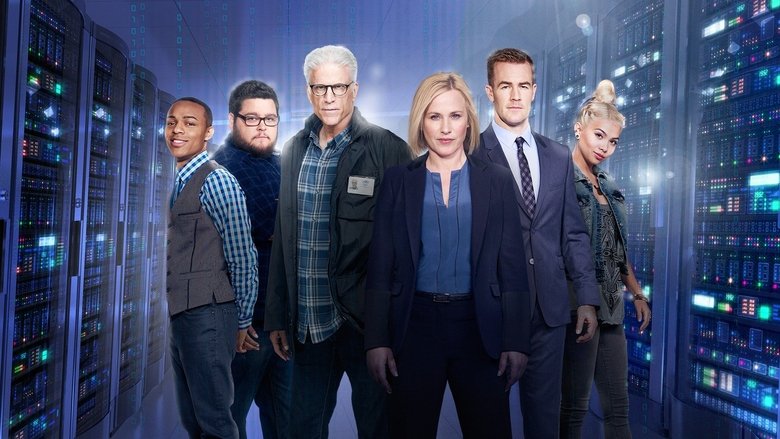
CSI: Cyber is the third spin-off from the long-running forensic drama CSI: Crime Scene Investigation, and the fourth series in the overall CSI franchise. Premiering on CBS in 2015, the show marked a significant departure from its predecessors by shifting focus from traditional physical crime scenes to the digital frontier. Led by Patricia Arquette as FBI Deputy Director Avery Ryan, a behavioral psychologist turned 'cyber shrink,' the series explored crimes originating from the dark net, including hacking, cyber theft, and internet-related murders.
The series introduced Ted Danson as D.B. Russell, crossing over his character from the flagship CSI series to provide a bridge between the old and new worlds of criminal investigation. The team was uniquely composed of both federal agents and reformed cyber criminals working in a 'hack-for-good' program. This dynamic created a different kind of tension than the lab-based original, focusing on the psychological profiles of cybercriminals and the fast-paced, often invisible nature of digital threats.
Despite the star power of an Academy Award winner in Arquette and the established CSI brand, CSI: Cyber struggled to capture the massive audience of its predecessors. Critics noted that the show's attempts to visualize cyberspace and hacking often felt overly stylized and unrealistic. The series ran for two seasons before being canceled by CBS in 2016, making it the shortest-lived series in the CSI franchise at the time. Its cancellation, alongside the conclusion of the original CSI: Crime Scene Investigation, signaled the end of an era for the network's once-dominant procedural lineup.
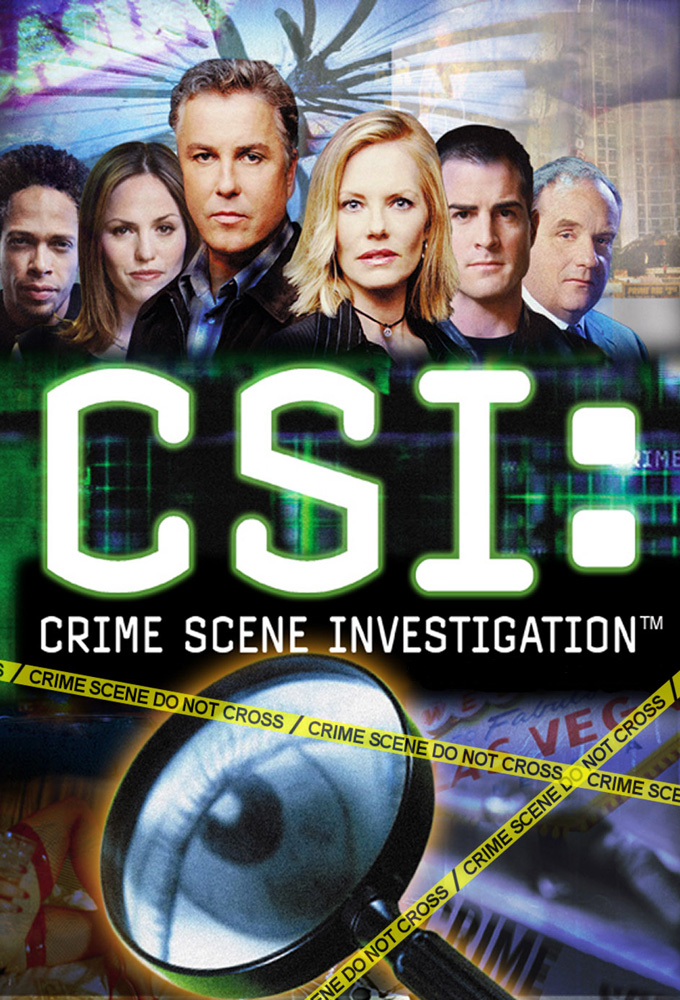
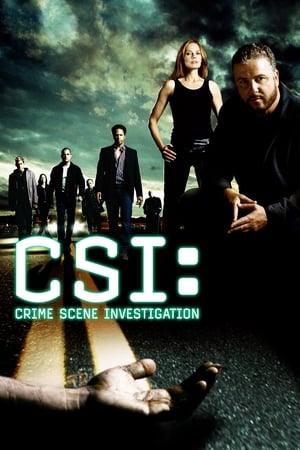
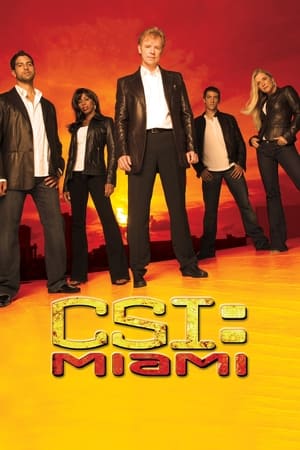
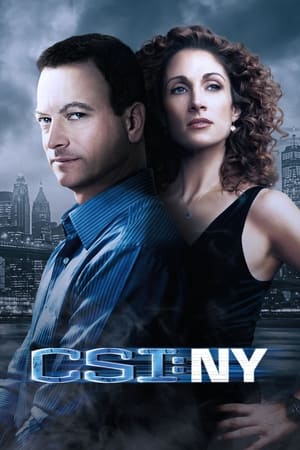
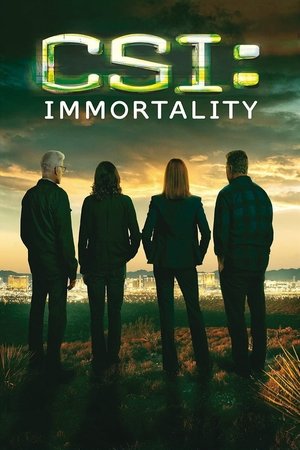
The CSI franchise is a media collection of American crime drama television series created by Anthony E. Zuiker. It began with the groundbreaking series CSI: Crime Scene Investigation, which premiered in 2000 and revolutionized the procedural genre by focusing on forensic science and the meticulous work of crime scene investigators. The show's distinctive visual style, including elaborate CGI reconstructions of wounds and evidence, became a hallmark of the franchise. Its success spawned multiple spin-offs set in different cities, each with its own team and tone, while maintaining the core forensic investigation premise. The franchise expanded into a global phenomenon, influencing public perception of forensic science and popularizing the procedural format worldwide. Over two decades, it has included several television series, a TV movie finale for the original show, and various other media. The collection is known for its iconic characters, crossover events between series, and its lasting impact on television storytelling.