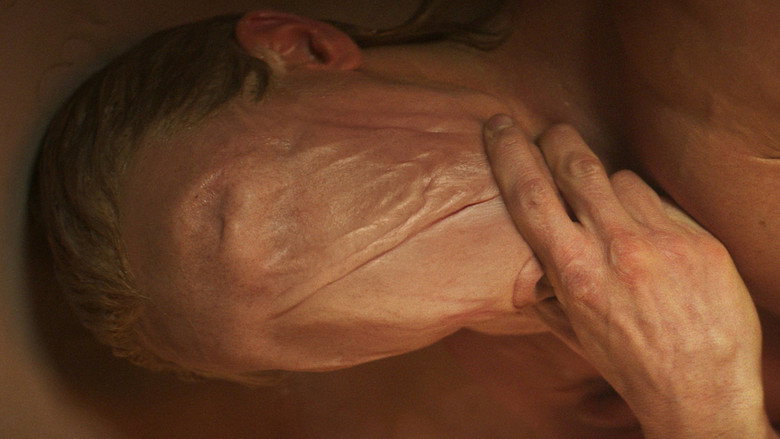
🎬 Clayface (2026)
Based on comic
Clayface, one of Batman's most iconic and grotesque villains from DC Comics, originated in Detective Comics #40 in 1940, created by Bill Finger and Bob Kane. The debut version, Basil Karlo, was a faded actor who terrorized Gotham using a monstrous clay mask from his horror film, setting the stage for the character's enduring themes of identity crisis and monstrous transformation. Subsequent iterations, like Matt Hagen from 1961, added shapeshifting powers via radioactive exposure, evolving Clayface into a symbol of body horror within the Batman mythos.
The 2026 film 'Clayface' brings this character to the big screen as the third entry in the DC Universe (DCU), directed by James Watkins from a script by Mike Flanagan and Hossein Amini. Starring Tom Rhys Harries as the disfigured actor Matt Hagen—who seeks experimental help from a scientist (Naomi Ackie) that turns him into a clay monster—alongside David Dencik, Max Minghella, and Eddie Marsan, it promises a body horror thriller. Filming wrapped in Liverpool and Warner Bros. stages in late 2025, with producers including James Gunn, Peter Safran, and Matt Reeves. Flanagan drew heavy inspiration from the 'Feat of Clay' episodes of Batman: The Animated Series (1992), blending Hagen's name with Karlo's actor origin for a fresh, tragic take.
Previous adaptations include Ron Perlman's memorable voicing in Batman: The Animated Series and Alan Tudyk's in the DCU's Creature Commandos (2024), plus live-action glimpses in Gotham and Birds of Prey. This standalone film marks Clayface's first leading role, diverging from ensemble Batman tales to emphasize psychological horror and revenge, potentially redefining the villain for a new era.

Clayface is the alias used by several characters in DC Comics, primarily as recurring adversaries of Batman. The original incarnation, Basil Karlo, debuted in Detective Comics #40 in June 1940, created by writer Bill Finger and artist Bob Kane. Karlo was a horror film actor who, driven mad by the announcement of a remake of his famous movie The Terror, adopted the monstrous persona of its villain 'Clayface' to terrorize the cast and crew, embarking on a killing spree in Gotham City.
Subsequent versions expanded the mythos, including Matt Hagen in Detective Comics #298 (1961), a treasure hunter transformed into a clay-like shapeshifter by radioactive protoplasm, granting him malleable powers to impersonate anyone. Later iterations like Preston Payne, Sondra Fuller, and others introduced chemical accidents, genetic experiments, and family ties, evolving Clayface into a collective of tragic, body-horror figures with superhuman strength, shape-shifting, and regenerative abilities. These characters embody themes of identity loss, physical deformity, and uncontrollable mutation.
Over decades, Clayface has become one of Batman's most iconic villains, appearing in countless comics, animated series, and video games. The shapeshifting gimmick has allowed for versatile storytelling, from psychological thrillers to monstrous rampages, cementing its enduring legacy in superhero lore as a symbol of humanity's grotesque potential.