🎬 The Boogeyman (2023)
Based on novel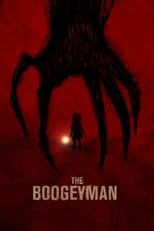
Stephen King's short story "The Boogeyman," first published in 1973, is a landmark of concise horror, a chilling tale of a man confessing the impossible deaths of his children to a psychiatrist. For decades, it remained one of King's most famously unadapted works for the big screen, its power lying in the claustrophobic, dialogue-driven dread of a therapy session. The 2023 film adaptation, directed by Rob Savage, takes the core concept of a malevolent entity preying on a family and expands it into a full-fledged supernatural horror feature, shifting the focus from a guilt-ridden father's confession to the experience of a grieving family under siege.
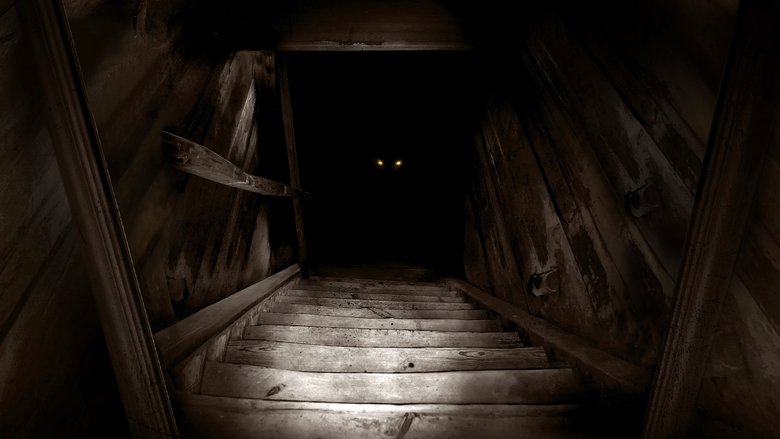
The film follows the Harper family—therapist Will, and his daughters Sadie and Sawyer—who are still reeling from the sudden death of their mother. When a desperate man named Lester Billings arrives at their home and subsequently dies, he unwittingly leaves behind a terrifying entity that feeds on suffering. The adaptation cleverly reimagines the story's central monster, making it a creature that thrives in the dark and preys on the family's shared trauma, turning their home into a hunting ground. This thematic shift from the story's ambiguous psychological horror to a more tangible, grief-manifested monster allows the film to explore loss through a modern horror lens.
Originally slated for a direct-to-streaming release on Hulu, the film's positive test screenings prompted 20th Century Studios to pivot to a theatrical release, a testament to its crowd-pleasing scares. Directed by Rob Savage, known for the innovative pandemic-era horror hit Host, the film employs clever creature design and sound to bring the Boogeyman to life, relying on shadow and suggestion before a full reveal. While the short story is a masterclass in minimalism, the 2023 movie builds a richer mythology around the creature, connecting it to a cycle of familial pain, a significant departure from King's more nihilistic and intimate original ending.

"The Boogeyman" is a short story by Stephen King, first published in the March 1973 issue of the men's magazine Cavalier. It was later collected in King's 1978 anthology Night Shift. The story is a masterclass in psychological horror, centering on a man named Lester Billings who recounts to a psychiatrist, Dr. Harper, the terrifying and sequential deaths of his three young children. Billings insists that a malevolent entity—the titular Boogeyman—is responsible, having stalked his family from closet to closet across different homes.
The narrative unfolds almost entirely through Billings's chilling monologue, revealing a man consumed by guilt, denial, and a deep-seated terror that he has failed to protect his family. King subverts the childhood fear of the monster in the closet, transforming it into a very real and inescapable predator. The story's power lies in its ambiguity, leaving the reader to question whether the Boogeyman is a supernatural force or a manifestation of Billings's own murderous psychosis.
"The Boogeyman" is widely regarded as one of King's most effective and disturbing early works. Its influence extends beyond literature, having been adapted into various media, and it remains a staple discussion point among horror fans for its bleak, unforgettable ending and its exploration of domestic trauma masked as a monster story.