📺 Ranma1/2 (2024)
Based on manga
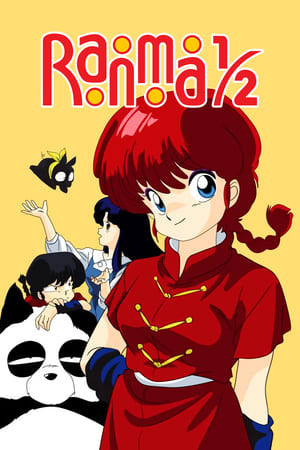
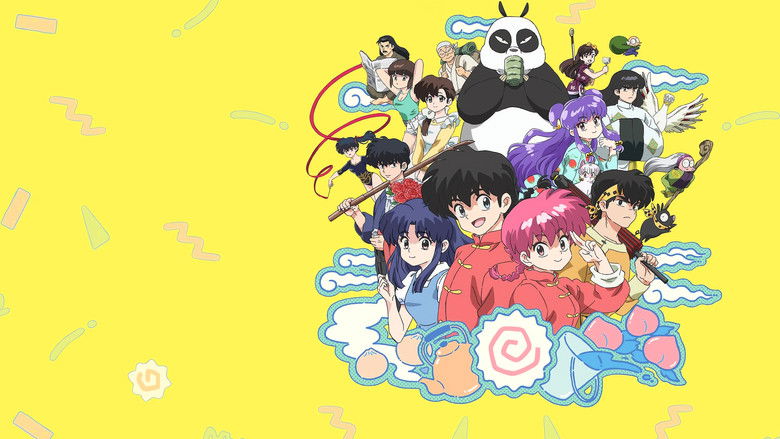
MAPPA's 2024 revival of Ranma ½ is a fascinating case study in how to honor a beloved classic while recalibrating it for a modern audience. Unlike many reboots that opt for a radical reimagining, director Kōnosuke Uda and writer Kimiko Ueno have crafted an adaptation that feels both fresh and deeply faithful. The series returns to the very beginning of Rumiko Takahashi's sprawling manga, retelling the iconic origin story of Ranma and Genma's fateful fall into the cursed springs of Jusenkyo. The animation is a vibrant, kinetic leap forward, trading the original's charming cel-shaded look for MAPPA's signature fluidity and dynamic color palette, which makes the martial arts sequences pop with a new level of energy and impact.
The most significant shift in this adaptation is its pacing and narrative focus. The 2024 series streamlines the early manga chapters with a tighter, more serialized structure, trimming some of the more episodic gags to emphasize character dynamics and the central romantic tension between Ranma and Akane. While the original 1989 anime often diverged into filler and original stories, this version hews much closer to Takahashi's original paneling and comedic timing. The voice cast is entirely new, a bold move that initially sparked debate among long-time fans, but the performances have been widely praised for capturing the spirit of the characters without simply imitating the iconic original voices. The series also subtly updates certain cultural references and visual gags, making the humor accessible to a global audience streaming on Netflix without losing its distinctly late-80s Japanese flavor.
Critically, the 2024 Ranma ½ has been celebrated for reintroducing the chaotic gender-bending comedy to a new generation while navigating contemporary sensibilities with grace. The core premise—a boy who turns into a girl with cold water—is played for the same slapstick and identity confusion as always, but the series places a stronger initial emphasis on Ranma's own frustration and vulnerability, adding a layer of emotional depth that resonates beyond pure farce. The relationship between Ranma and Akane is given more room to breathe, with their tsundere bickering feeling less mean-spirited and more like a genuine, awkward teenage courtship. This careful balance of nostalgic charm and modern storytelling sensibility has made the series a hit, proving that the Anything-Goes School of Martial Arts still has plenty of new students to teach.

Ranma ½ is a Japanese manga series written and illustrated by Rumiko Takahashi. It was serialized in Shogakukan's Weekly Shōnen Sunday magazine from August 1987 to March 1996. The series was later collected into 38 tankōbon volumes. The story follows Ranma Saotome, a teenage martial artist who transforms into a girl whenever splashed with cold water, reverting to his male form when exposed to hot water. This curse was incurred after falling into the cursed spring of 'Nekoken' in China during his training.
The manga is renowned for its blend of romantic comedy, martial arts action, and slapstick humor. It explores themes of gender identity, family dynamics, and the pressures of arranged marriages, all wrapped in a vibrant and chaotic narrative. The series became a cultural phenomenon in Japan and internationally, establishing Takahashi as one of the most successful manga artists of her generation. Its unique premise and memorable cast of characters, including Ranma's rival and love interest Akane Tendo, have left a lasting impact on the shōnen and romantic comedy genres.