
🎬 Lee Cronin's The Mummy (2026)
Reboot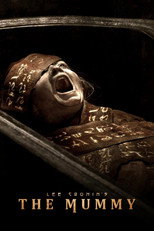
Lee Cronin's The Mummy is a 2026 supernatural horror film that serves as a modern reimagining of the classic Universal Monsters property, stripping away the familiar bandaged-wrapped iconography in favor of a more intimate and demonic take on the source material. Written and directed by Lee Cronin, the film shifts the mythology away from the resurrected Egyptian priest Imhotep and instead introduces the Nasmaranian, an ancient Egyptian demon with a penchant for possession. This pivot allows the story to function as a hybrid of a monster movie and an exorcism thriller, following a family whose reunion with their long-missing, mummified daughter takes a terrifying turn when they realize something sinister has returned with her.
Produced by genre heavyweights James Wan and Jason Blum under their Atomic Monster and Blumhouse banners, the film was designed as a contained, high-concept horror experience with a modest $22 million budget. The cast is led by Jack Reynor and Laia Costa, with May Calamawy, Natalie Grace, and Verónica Falcón rounding out the ensemble. Cronin, who previously revitalized the Evil Dead franchise with Evil Dead Rise, applies a similar approach here, grounding the supernatural horror in a claustrophobic family drama that prioritizes dread and practical effects over large-scale action set pieces.
Upon its release by Warner Bros. Pictures in April 2026, the film received mixed reviews from critics, who praised Cronin's direction and the fresh exorcism-tinged approach but debated its departure from the traditional Mummy formula. Commercially, it performed solidly against its low budget, grossing over $90 million worldwide. The film stands as a distinct entry in the long-running Mummy franchise, deliberately distancing itself from both the 1999 action-adventure blockbuster and the ill-fated 2017 Dark Universe reboot to carve out its own identity as a gritty, supernatural chiller.