🎬 The Count of Monte Cristo (2024)
Based on novel
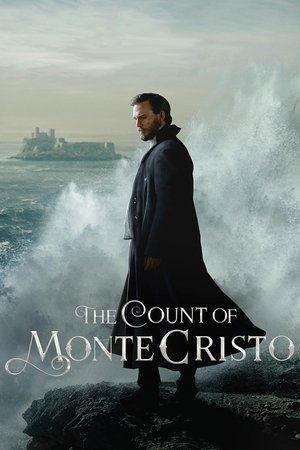
The 2024 French adaptation of "The Count of Monte Cristo" arrives as a lavish, sweeping epic that aims to restore the grandeur of Alexandre Dumas' sprawling novel to the big screen. Directed and adapted by Matthieu Delaporte and Alexandre de La Patellière, the film stars Pierre Niney as Edmond Dantès, bringing a brooding intensity to the role of the wronged sailor turned calculating avenger. With a budget of approximately €42.9 million, it stands as the most expensive French production of its year, a financial gamble that signals Pathé's confidence in the enduring appeal of this classic tale of betrayal and revenge.
The adaptation makes several notable departures from its source material, condensing the novel's intricate web of subplots while introducing new elements to streamline the narrative. The film opens with Dantès rescuing a shipwrecked woman named Angèle, a character created for this version, who carries a letter from the exiled Napoleon — a device that immediately plunges the story into political intrigue. This addition heightens the stakes from the outset and provides a more visually dynamic inciting incident than the novel's quieter conspiracy. The screenplay also reconfigures character relationships, making Fernand de Morcerf Mercédès' cousin rather than merely a rival fisherman, tightening the emotional knot at the story's core.
Premiering at the 77th Cannes Film Festival in May 2024, the film was met with considerable anticipation and went on to become a box office phenomenon in its home country, selling over nine million admissions and emerging as the second highest-grossing French film of the year. Its worldwide gross surpassed $100 million, making it Pathé's biggest success since the 2008 comedy phenomenon "Bienvenue Chez Les Ch'tis." This commercial triumph suggests that audiences were hungry for a faithful yet cinematic retelling of Dumas' work, one that balances period authenticity with the pacing and spectacle expected of modern historical action-adventure films.
The 2024 "Count of Monte Cristo" distinguishes itself from previous adaptations by embracing the full scope of Dantès' transformation and revenge, rather than truncating the story into a simpler swashbuckler. While earlier versions often softened the Count's moral ambiguity or rushed through his elaborate schemes, Delaporte and de La Patellière's film leans into the darkness of its protagonist's obsession, allowing Pierre Niney to chart a compelling arc from wide-eyed innocence to cold, methodical fury. The production's lavish costumes, Mediterranean locations, and sweeping cinematography evoke the novel's romanticism while grounding the emotional stakes in performances that resonate with contemporary sensibilities.

The Count of Monte Cristo is an adventure novel by French author Alexandre Dumas, first serialized from 1844 to 1846 and published in book form in 1846. It is one of Dumas's most enduring and popular works, alongside The Three Musketeers. The story was developed from plot outlines suggested by Dumas's collaborator, Auguste Maquet.
The novel is set against the backdrop of the Bourbon Restoration in France and follows Edmond Dantès, a young and promising sailor who is unjustly imprisoned on the eve of his wedding after being falsely accused of treason. While incarcerated in the notorious Château d'If, he meets a fellow prisoner, Abbé Faria, who educates him and reveals the location of a vast hidden treasure on the island of Monte Cristo. After a daring escape, Dantès acquires the fortune and reinvents himself as the enigmatic and wealthy Count of Monte Cristo.
Armed with immense resources and a new identity, the Count meticulously orchestrates an elaborate plan to reward those who remained loyal to him and exact devastating revenge on the men who conspired to destroy his life. The narrative is a sweeping tale of injustice, hope, and the consuming nature of vengeance, exploring profound themes of justice, mercy, and forgiveness.
Regarded as a classic of French and world literature, The Count of Monte Cristo has had an immense cultural legacy, inspiring countless adaptations across film, television, and stage, and its central plot of a wronged man seeking elaborate revenge has become a foundational archetype in storytelling.