🎬 1920: Horrors of the Heart (2023)
Part of 1920
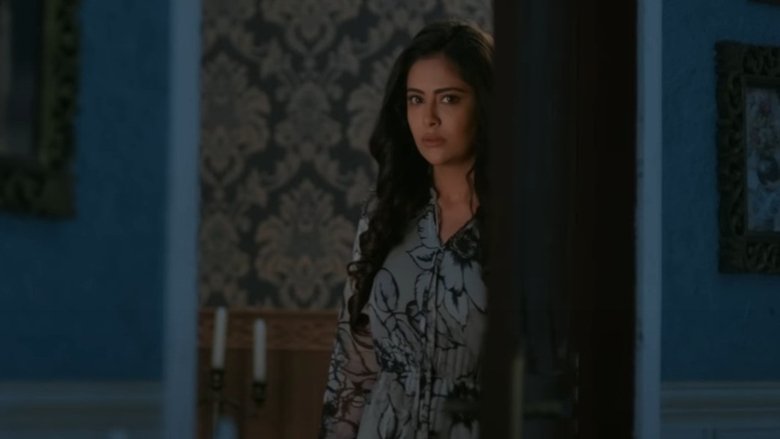
1920: Horrors of the Heart is a 2023 Indian Hindi-language horror film that marks the fifth installment in the long-running 1920 film series, a franchise known for its period settings and supernatural themes. Directed by Krishna Bhatt and written by Mahesh Bhatt, the film continues the series' tradition of blending gothic horror with emotional family drama, this time centering on a young woman's quest for vengeance that unleashes dark, otherworldly forces. The story is set in 1920 Bombay, where Meghna, played by Avika Gor, discovers her mother's scandalous past through her late father's diary, setting off a chain of terrifying events.
The plot takes a gruesome turn when Meghna's father, a struggling writer, is found hanging, but an autopsy reveals his heart is inexplicably missing despite an intact cardiovascular system. This macabre mystery propels Meghna to use his spirit as a weapon against her estranged mother, Radhika, whose history of liaisons with British officers for social climbing is exposed. The film stars Rahul Dev alongside Gor, with Barkha Bisht, Randheer Rai, and Danish Pandor in supporting roles, all navigating a narrative filled with ritualistic horror and vengeful apparitions.
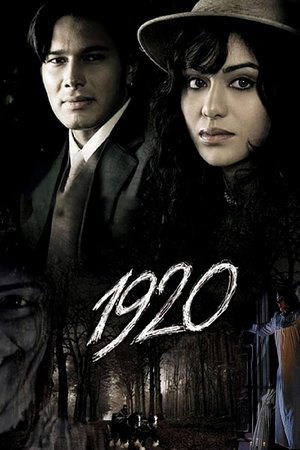
As a direct sequel in the 1920 franchise, which began with the 2008 film 1920 directed by Vikram Bhatt, Horrors of the Heart carries forward the series' signature aesthetic of haunted mansions, period costumes, and a slow-burn atmosphere. However, this entry distinguishes itself by focusing more on psychological horror and familial betrayal rather than the pure possession themes of the earlier films. The involvement of the Bhatt family in key creative roles ensures a continuity of vision, though the film received mixed reviews for its pacing and reliance on franchise formulas.
Released directly on digital platforms, the film caters to a dedicated fanbase that has followed the series through various standalone sequels, each exploring different horror tropes within the 1920s setting. While not a major theatrical event, it adds another chapter to one of Bollywood's most enduring horror properties, offering fans a blend of period drama and supernatural revenge that echoes the franchise's original gothic sensibilities.

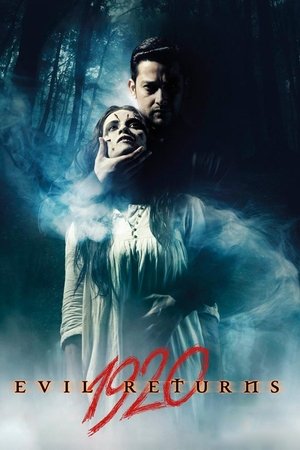
The 1920 film series is a notable collection of Indian horror films that intertwines period settings with supernatural terror, exploring themes of love, obsession, and the afterlife. Launched with Vikram Bhatt's 2008 film *1920*, the series established itself by grounding its scares in pre-independence India, where isolated havelis and colonial-era anxieties become integral to the atmosphere. The original film's narrative of a possessed wife and a husband's desperate struggle introduced a blend of operatic romance and unsettling imagery, demonstrating that Bollywood horror could achieve mainstream success without compromising its chilling essence. The series expanded into a loosely connected anthology, with each installment transplanting its central motifs of fractured love and demonic vengeance into new decades and locations. *1920: Evil Returns* explored the origin of the sinister spirit with a more visceral gothic romance, while *1920 London* transported the haunting abroad, incorporating cross-cultural occultism and psychological disorientation. The prequel *1921* and the later *1920: Horrors of the Heart* continued this pattern, using their respective time periods as catalysts for characters' internal turmoil, where societal constraints and personal betrayals conjure monstrous forces. The collection's cultural significance lies in its evolution within the genre while maintaining a distinct identity rooted in emotional devastation. Unlike slasher-driven or jump-scare-focused trends, the 1920 series treats its specters as tragic figures born from injustice and heartbreak, making the horror deeply personal. Recurring motifs of cursed heirlooms, crumbling estates, and the dangerous power of art—particularly music—bind the films into a cohesive exploration of how the past violently intrudes upon the present. This approach has not only cultivated a devoted fanbase but also re-legitimized horror within Indian popular culture, proving that a chilling ghost story can also be a sweeping, darkly poetic melodrama.