🎬 The Mummy (2017)
Remake
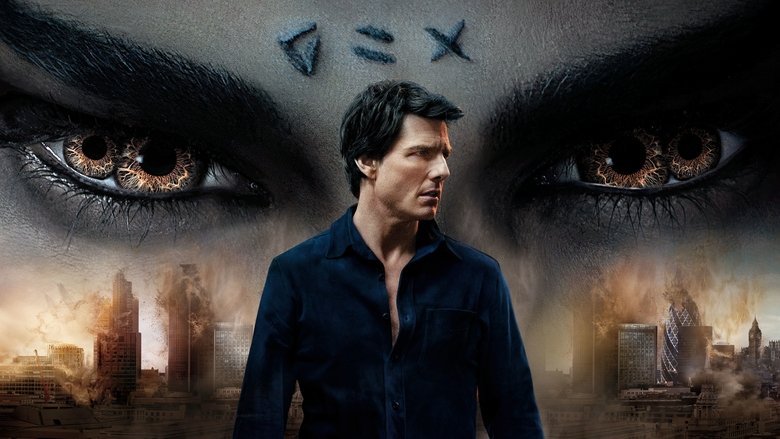
The 2017 version of The Mummy represents a bold but ultimately troubled attempt to reboot Universal's classic monster mythology for a modern blockbuster audience. Directed by Alex Kurtzman and starring Tom Cruise, the film reimagines the mummy as an ancient Egyptian princess named Ahmanet, played by Sofia Boutella, who made a pact with the god Set and was entombed alive for her crimes. When soldier of fortune Nick Morton accidentally unearths her sarcophagus in contemporary Iraq, he unleashes a vengeful force that threatens to plunge the world into darkness.
This reboot departs significantly from the 1932 original, which featured Boris Karloff as the tragic high priest Imhotep in a slow-burning, atmospheric horror tale. The 2017 film instead leans heavily into action-adventure territory, with Cruise's character serving as a wisecracking antihero caught up in supernatural chaos. Russell Crowe appears as Dr. Henry Jekyll, head of a secret organization called Prodigium, in a clear attempt to seed a shared cinematic universe that Universal dubbed the Dark Universe. The gender-swapped mummy and the modern military setting reflect the studio's desire to update the property for contemporary sensibilities.
The film premiered to generally negative reviews, with critics faulting its uneven tone, convoluted plot, and the awkward fusion of horror and action spectacle. Despite grossing over $400 million worldwide, its enormous production and marketing budget meant it lost tens of millions of dollars. More significantly, the poor reception effectively killed the Dark Universe before it could begin, leaving planned films based on Frankenstein's monster, the Invisible Man, and other classic creatures in limbo. The Mummy stands as a cautionary tale about the challenges of franchise-building, demonstrating that even a beloved monster legacy and a major movie star cannot guarantee success when the creative vision falters.