🎬 Minions (2015)
Part of Despicable Me
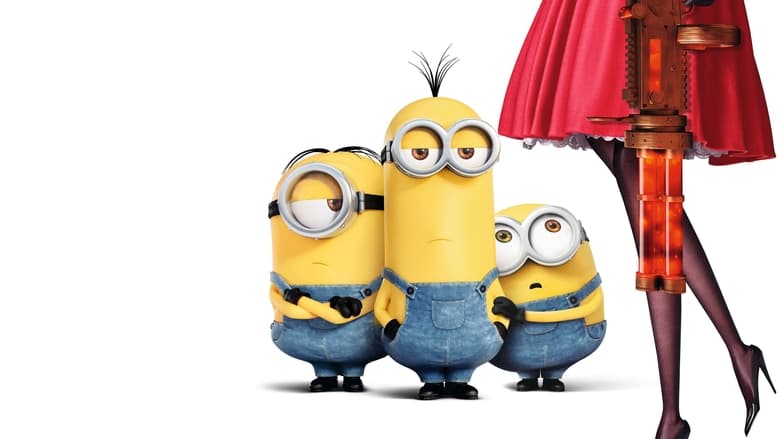
Minions is a 2015 animated comedy that serves as a prequel to the Despicable Me franchise, finally giving the scene-stealing yellow henchmen their own origin story. Directed by Pierre Coffin and Kyle Balda, the film traces the Minions' existence from single-celled organisms through history, revealing their singular purpose: to serve the most despicable master they can find. After a string of accidental boss-killings leaves them isolated in a cave, three brave Minions—Kevin, Stuart, and Bob—venture into the world of 1968 to find a new villain to follow, leading them to the ambitious super-villainess Scarlet Overkill.
The film expands the Despicable Me universe by exploring the Minions' history long before they met Gru, though a young Gru does make a brief appearance at the very end, connecting the timeline. Sandra Bullock voices Scarlet Overkill, with Jon Hamm as her inventor husband Herb, while Pierre Coffin returns to provide the Minions' distinctive gibberish language. The 1960s setting allowed the filmmakers to pack the soundtrack with classic rock hits from The Beatles, The Who, and The Kinks, adding to the film's retro charm.
Despite mixed reviews from critics who felt the Minions worked better as side characters than leads, audiences embraced the film enthusiastically. It became a massive box office success, grossing over $1.16 billion worldwide and becoming the fifth-highest-grossing film of 2015. The Minions' appeal transcended language barriers, with their slapstick humor and expressive gibberish connecting with global audiences in a way few animated characters have achieved.
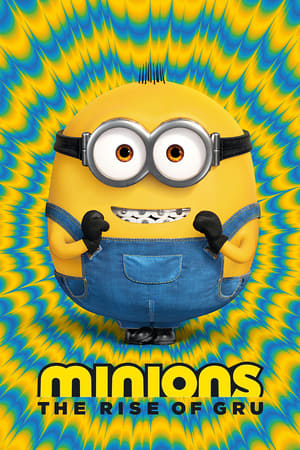
The film's success launched the Minions into a standalone franchise, with a direct sequel, Minions: The Rise of Gru, arriving in 2022 to explore young Gru's early days. A third installment is planned for 2026. The Minions themselves became a cultural phenomenon, appearing in countless memes, merchandise, and even inspiring the 'Gentleminions' trend where teenagers attended screenings in formal suits.

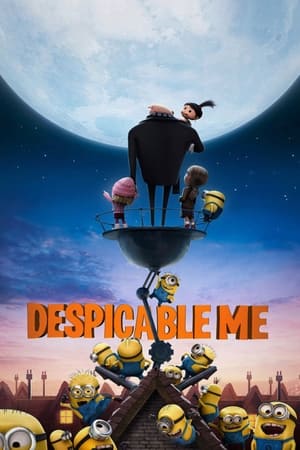
The *Despicable Me* franchise, an American animated comedy series produced by Illumination and distributed by Universal Pictures, began in 2010 with the film of the same name. It introduced audiences to Gru, a supervillain whose life of grand heists is upended when he adopts three orphaned girls, discovering the transformative power of fatherhood. This blend of slapstick humor, heartwarming family themes, and the scene-stealing Minions—Gru's yellow, gibberish-speaking henchmen—catapulted the series into a global pop culture phenomenon.
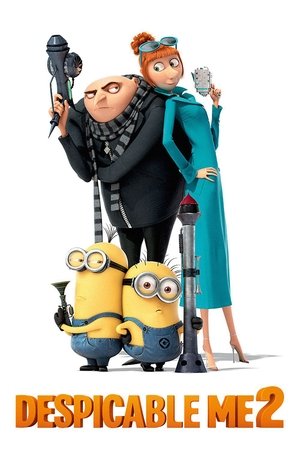
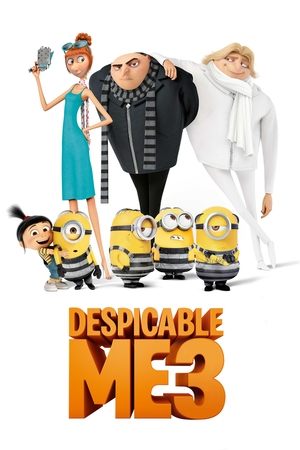
The franchise has since expanded with direct sequels, including *Despicable Me 2* (2013) and *Despicable Me 3* (2017), as well as prequels like *Minions* (2015) and *Minions: The Rise of Gru* (2022) that delve into the chaotic history of its iconic sidekicks. The upcoming *Despicable Me 4* continues to explore Gru's evolving relationships and the Minions' madcap adventures. Commercially, the series has grossed billions worldwide, spawning short films, television specials, video games, and theme park attractions.
Culturally, the franchise is recognized for its distinctive animation style and memorable characters, with the Minions becoming ubiquitous in merchandise, memes, and brand mascots. Beneath the villainous antics, the series consistently explores themes of redemption, family, and belonging, balancing absurd comedy with genuine emotional depth. This accessibility has made it a hit with both children and adults, firmly establishing Illumination as a major animation studio alongside Pixar and DreamWorks.

The Despicable Me collection is an animated media series that began with the 2010 film introducing Gru, a supervillain whose life is transformed when he adopts three orphaned girls. The collection is built around themes of family, redemption, and the unexpected bonds that redefine one's purpose. Gru's journey from a lonely, scheming villain to a devoted father and unlikely hero forms the emotional core, while the Minions—small, yellow, gibberish-speaking henchmen—provide chaotic comic relief and have become cultural icons in their own right. The interplay between Gru's criminal past and his growing paternal instincts creates a distinctive blend of heart and humor that resonates across all entries.\n\nSpanning multiple mainline films and prequel spin-offs, the collection has expanded its world by exploring the origins of the Minions and Gru's early life. The Minions films delve into the creatures' centuries-long quest to serve the most despicable master, eventually leading them to a young Gru, thereby enriching the overarching narrative. This dual-track storytelling allows the collection to balance fresh adventures with nostalgic callbacks, maintaining a cohesive universe while appealing to both new audiences and long-time fans. The visual style—characterized by exaggerated character designs, vibrant colors, and slapstick animation—has become a signature of Illumination, the studio behind the series.\n\nCulturally, the Despicable Me collection has achieved remarkable global recognition, largely driven by the Minions' pervasive presence in popular culture. Their simple, childlike antics and distinctive language have spawned countless memes, merchandise, and even real-world marketing phenomena. The collection's humor operates on multiple levels, offering physical comedy for children and sly, sometimes subversive gags for adults, which has contributed to its broad, cross-generational appeal. The soundtrack, featuring Pharrell Williams' upbeat contributions, further cemented the collection's identity, with songs like 'Happy' becoming standalone hits.\n\nOver time, the collection has evolved from a villain-centric comedy into a sprawling family adventure series, with each installment raising the stakes while reinforcing the central message that love and connection can change anyone. Despite the shift toward more heroic narratives, the collection retains its mischievous spirit, ensuring that Gru's edge and the Minions' mayhem remain intact. The consistent commercial success of the films has solidified Illumination's position as a major animation studio and demonstrated the enduring appetite for stories that combine heartfelt storytelling with irreverent humor.
The Minions series is a spin-off prequel collection from Illumination's Despicable Me franchise, centered on the lovable, yellow, capsule-shaped creatures who serve history's most despicable masters. Originating as scene-stealing supporting characters in Despicable Me (2010), the Minions' immense popularity led to their own standalone theatrical adventures, beginning with Minions (2015). The series explores their origins, their evolutionary drive to find and serve the biggest villain around, and their chaotic misadventures across different eras, ultimately bridging their story to a young Gru. The films are defined by fast-paced slapstick, visual gags, and the Minions' unique, polyglot language, Minionese, which transcends cultural barriers.
At its heart, the series thrives on themes of loyalty, teamwork, and the comedic pursuit of villainy. The humor operates on multiple levels, offering pure physical comedy for children while layering in pop-culture references and nostalgic soundtracks for adults. This dual-layered approach has made the series a reliable source of family entertainment, delivering lighthearted escapism without relying on complex dialogue. The third entry, Minions & Monsters (2026), expands the formula with a meta-narrative about the Minions themselves becoming movie stars.
Culturally, the Minions have evolved far beyond their cinematic origins into a global phenomenon and a merchandising juggernaut. Their simplistic, expressive design and gibberish speech have made them instantly recognizable worldwide, fueling viral internet memes, a massive retail presence, and status as corporate mascots for Illumination and its parent company. The series stands as one of the most commercially successful and culturally pervasive animated properties of the 21st century.