📺 American Horror Story (2011)
Part of American Horror Story Franchise
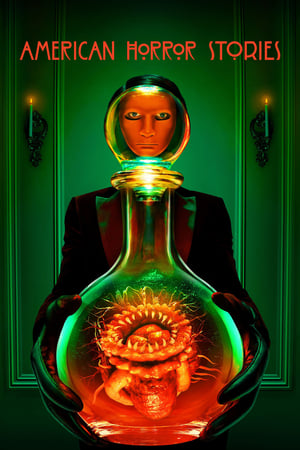
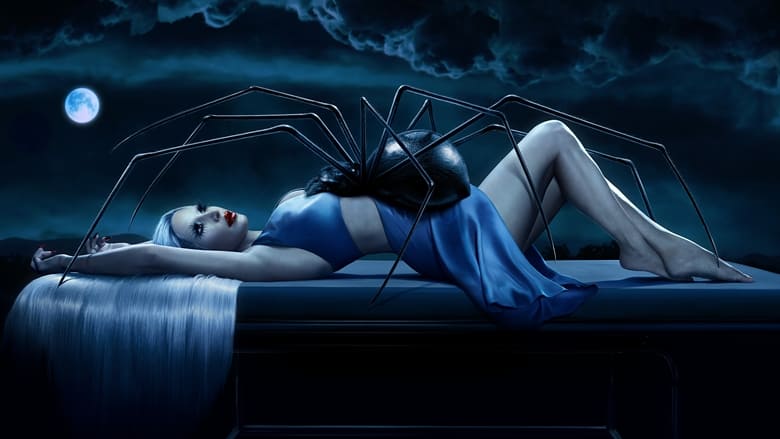
American Horror Story is an American anthology horror television series created by Ryan Murphy and Brad Falchuk that premiered on FX in 2011. Each season is conceived as a self-contained miniseries, following a new set of characters and a new setting, though they all exist within the same fictional universe. The show is known for its rotating repertory company of actors, including Evan Peters, Sarah Paulson, and Lily Rabe, who return season after season in completely different roles, a format that has become a signature of the series.
The first season, retroactively titled Murder House, follows the Harmon family as they move from Boston to a restored Los Angeles mansion, unaware of its violent history and the ghosts that inhabit it. The season established the show's blend of psychological horror, camp, and social commentary, and featured Jessica Lange in a star-making performance as the meddlesome neighbor Constance Langdon. Subsequent seasons have explored settings ranging from a 1960s asylum for the criminally insane to a modern-day cult, a witches' coven in New Orleans, and a summer camp in the 1980s.
The series has been a critical and commercial success for FX, with its first season becoming the most-viewed new cable series of 2011. It has garnered numerous awards, including two Emmy Awards for Jessica Lange and additional wins for James Cromwell and Kathy Bates. The show's unique anthology structure has allowed it to continually reinvent itself, drawing in high-profile guest stars like Lady Gaga, who won a Golden Globe for her role in the fifth season, Hotel.
American Horror Story spawned the American Story media franchise, which includes the spin-off series American Horror Stories, an episodic anthology that tells a different horror tale in each episode, occasionally featuring characters and locations from the parent show. The franchise also expanded with American Crime Story and other installments, cementing Murphy and Falchuk's anthology format as a defining television model of the 2010s.
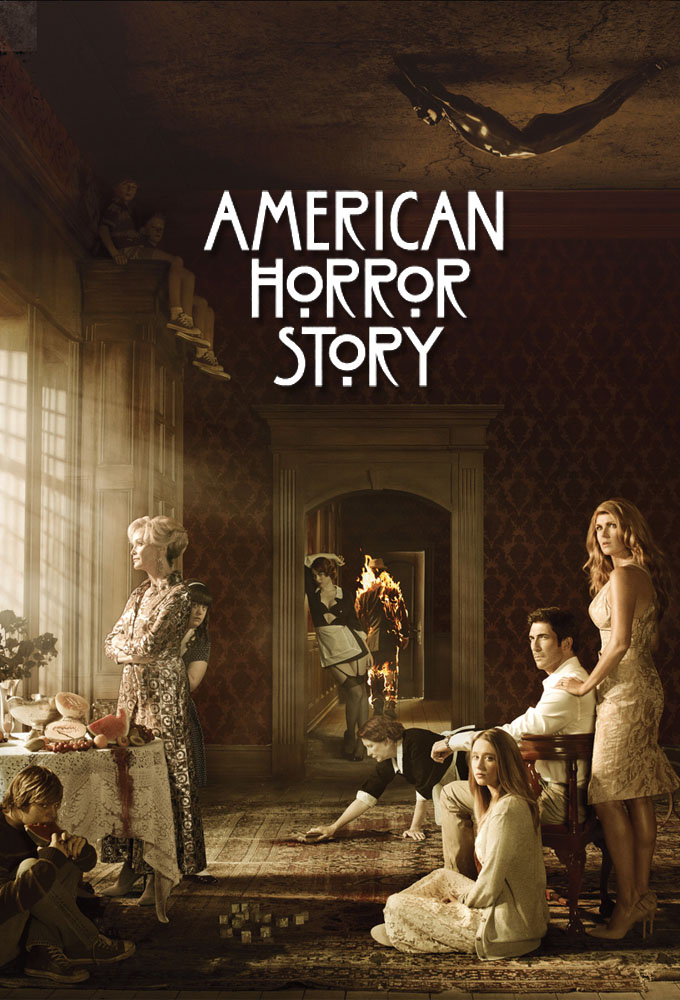
The American Horror Story collection is a groundbreaking television anthology that redefined horror on the small screen. Conceived by Ryan Murphy and Brad Falchuk, it debuted in 2011 with a radical premise: each season functions as a self-contained miniseries, featuring a recurring ensemble cast in entirely new roles and settings. This innovative structure allowed the series to explore a vast range of horror subgenres—from haunted houses and asylums to witch covens and freak shows—while maintaining a cohesive creative identity. The flagship series quickly became a cultural phenomenon, praised for its cinematic visual style, camp sensibilities, and willingness to weave psychological terror with sharp social commentary on issues like oppression, family dysfunction, and obsession.
A defining feature of the collection is its intricate, slowly unfolding mythology. While each season stands alone, dedicated viewers are rewarded with subtle crossover connections, returning characters, and a shared universe that deepens with each installment. This labyrinthine approach encourages active engagement and has fostered a passionate fan community. The repertory company model, featuring actors like Jessica Lange, Sarah Paulson, and Evan Peters in transformative roles, became a hallmark, showcasing remarkable versatility and anchoring the anthology’s ever-shifting narratives.
The collection expanded in 2021 with the spin-off series *American Horror Stories*. This companion piece distills the brand’s essence into a weekly episodic anthology format, offering bite-sized, standalone frights. While the original series luxuriates in sprawling, season-long arcs, *Stories* delivers tighter, more immediate horror, often revisiting familiar locations and secondary characters from the mothership to enrich the overarching lore. Together, the two series form a dynamic ecosystem where operatic tragedy and sharp, self-contained terror coexist, demonstrating the flexibility of the core concept.
Over its run, the American Horror Story collection has left an indelible mark on television, proving that horror can thrive in a prestige format. It has garnered critical acclaim and numerous awards, influencing a wave of anthology series that followed. By blending the grotesque with the sublime and consistently pushing creative boundaries, the collection remains a vital and evolving force in popular culture, with its dark grip on the cultural imagination showing no signs of loosening.