📺 The Sandman (2022)
Based on comic
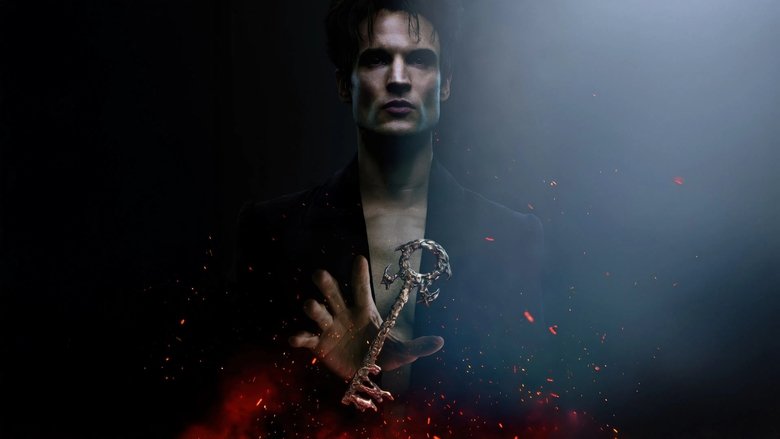
Netflix’s 2022 adaptation of Neil Gaiman’s The Sandman arrived carrying the weight of decades of failed attempts, and it largely succeeded by treating the source material not as a rigid blueprint but as a living text open to thoughtful reinterpretation. The first season adapts the initial two graphic novel collections, Preludes & Nocturnes and The Doll’s House, following Morpheus’s escape from a century of captivity and his quest to restore order to the Dreaming. Tom Sturridge embodies the titular Endless with a gaunt, otherworldly stillness that captures the character’s mixture of ancient majesty and quiet vulnerability, while the show expands the roles of supporting figures like Lucienne—reimagined from the comic’s male librarian Lucien and played with elegant authority by Vivienne Acheampong—to provide Dream with a more consistent foil.
The adaptation’s most discussed changes were both cosmetic and structural. The most prominent is the reimagining of John Constantine as Johanna Constantine, played by Jenna Coleman, a decision that sidesteps rights entanglements with the Hellblazer property while also giving the character a dual role as both the modern-day occultist and her 18th-century ancestor Lady Johanna. The show also famously delayed its most controversial sequence, the diner episode “24/7,” which translates the comic’s grim psychological torture into a slow-burn descent into madness that became one of the season’s standout hours. The bonus episode “A Dream of a Thousand Cats/Calliope,” released two weeks after the premiere, demonstrated the series’ willingness to embrace the anthology-like structure of the comics, animating Gaiman’s metafictional feline parable and the dark fable of a captive muse with striking fidelity.
Critical reception was overwhelmingly positive, with praise directed at the show’s visual ambition, its faithful yet flexible approach to adaptation, and Sturridge’s hypnotic lead performance. The sprawling, effects-heavy production brought the Dreaming to life with a painterly quality that distinguished it from the grittier aesthetic of most comic book television. However, the show’s deliberate pacing and episodic structure—more reminiscent of prestige fantasy like American Gods than the serialized momentum of typical streaming dramas—divided some viewers. The Sandman became one of Netflix’s most-watched series upon release, topping the platform’s global charts, though its substantial budget meant renewal was not instantaneous, with a second season confirmed months later to adapt the beloved Season of Mists and A Game of You arcs.
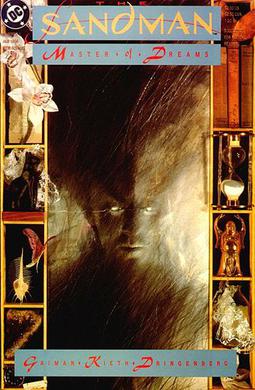
The Sandman is a critically acclaimed comic book series written by Neil Gaiman and published by DC Comics under its Vertigo imprint. The series ran for 75 issues from January 1989 to March 1996, with artists including Sam Kieth, Mike Dringenberg, Jill Thompson, and many others contributing to its distinctive visual style. The story centers on Dream, also known as Morpheus, one of the seven Endless—immortal beings who embody fundamental aspects of existence. After being imprisoned by an occult ritual for over 70 years, Dream escapes and must rebuild his kingdom, the Dreaming, while reckoning with the changes that have occurred in his absence.
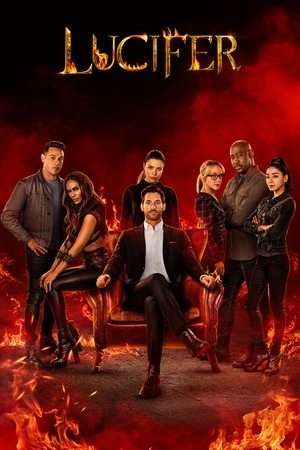
The series is renowned for its literary ambition, blending mythology, history, and horror into a sprawling narrative that moves between the waking world, the Dreaming, and realms beyond. Gaiman wove together disparate elements of DC Comics lore with original creations, classical mythology, and Shakespearean drama. The character of Lucifer Morningstar first appeared in the seminal story arc 'Season of Mists,' where the Devil abdicates his throne in Hell and hands the key to Dream, setting off a chain of events that would later inspire a spin-off series.
The Sandman is widely regarded as one of the greatest graphic novels ever published, earning numerous awards including the World Fantasy Award for Best Short Fiction in 1991—the only comic ever to win that honor. Its influence extends far beyond comics, shaping modern fantasy literature and paving the way for more mature, literary approaches to the medium.