📺 Toy Story Treats (1996)
Part of Toy Story
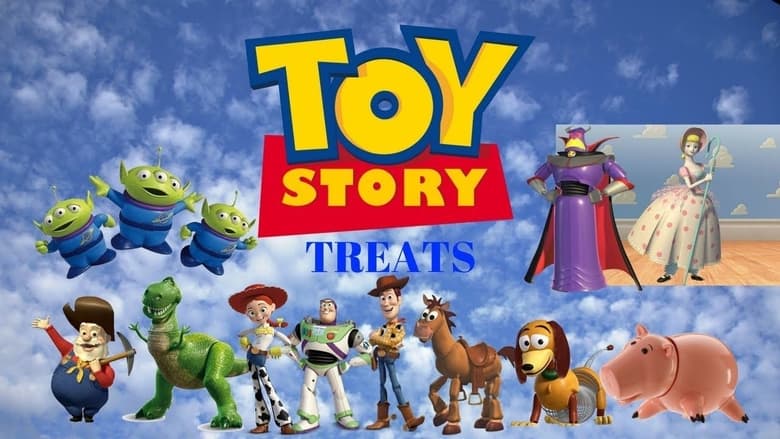
Toy Story Treats was a series of short interstitial segments that aired on ABC's Saturday morning lineup in 1996, capitalizing on the massive success of Pixar's groundbreaking first feature film. Rather than a traditional narrative series, these shorts functioned as quick comedic bumpers, often featuring the beloved characters Woody, Buzz Lightyear, and the rest of the gang in brief, silent or minimally-dialogued vignettes. The animation style was notably simpler than the feature film, designed for the quick turnaround of television production, yet it retained the core charm and physical comedy of the original characters.
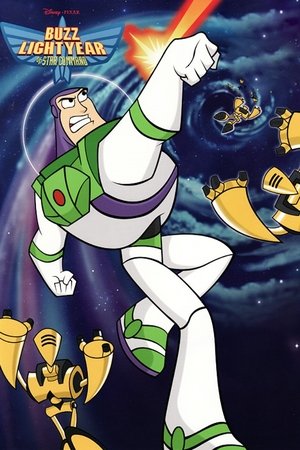
The shorts were created to bridge the gap between the 1995 film and the burgeoning franchise, keeping the characters in the public eye during the lead-up to the release of the film on home video. They aired alongside other Disney television programming and served as a precursor to the more narratively driven spin-off, Buzz Lightyear of Star Command. The segments often involved simple, universal gags, such as Buzz attempting to fly, the toys reacting to a new object in Andy's room, or the Green Army Men conducting reconnaissance missions.
While not a major canonical entry in the Toy Story universe, Toy Story Treats represents an early example of Pixar characters transitioning to the small screen. The series is a nostalgic footnote for many who watched ABC's children's programming in the mid-90s, remembered for its playful tone and for providing additional, bite-sized adventures with characters who had just become global icons.
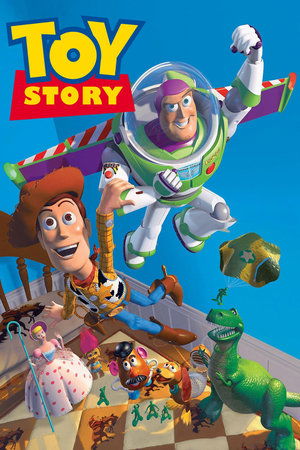
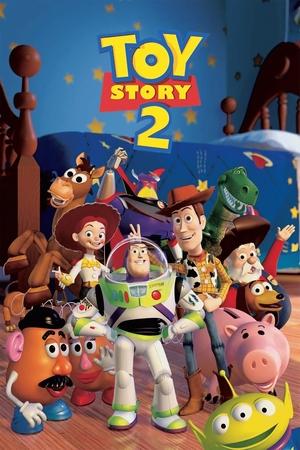
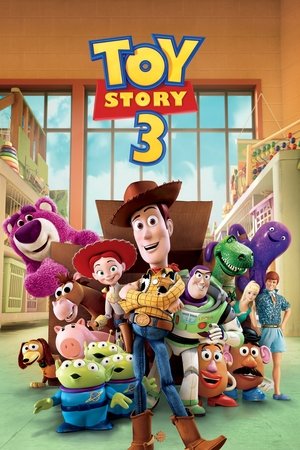
The *Toy Story* series is a landmark animated collection from Pixar Animation Studios, centering on a group of sentient toys who come to life when humans are not present. It began with the groundbreaking 1995 film, the first entirely computer-animated feature, which revolutionized the animation industry and established Pixar as a major creative force. The core narrative follows the evolving friendship between Woody, a pull-string cowboy doll, and Buzz Lightyear, a space ranger action figure, as they navigate the joys and anxieties of being a child's plaything. Overarching themes include loyalty, identity, the fear of obsolescence, and the bittersweet passage of time, all delivered with a blend of humor and emotional depth that resonates across generations. The series is celebrated for its consistent storytelling quality, richly developed ensemble cast, and its ability to tackle complex emotional territory within a family-friendly framework. Beyond the main theatrical features, the collection has expanded through short films, television specials, and spin-off series, further exploring the lives of its beloved characters. Its cultural impact is profound, with Woody and Buzz becoming iconic figures in popular culture, and the series itself standing as a cornerstone of modern animated storytelling, known for its poignant exploration of growing up, change, and the enduring power of friendship.