📺 Criminal Minds: Suspect Behavior (2011)
Part of Criminal Minds Franchise
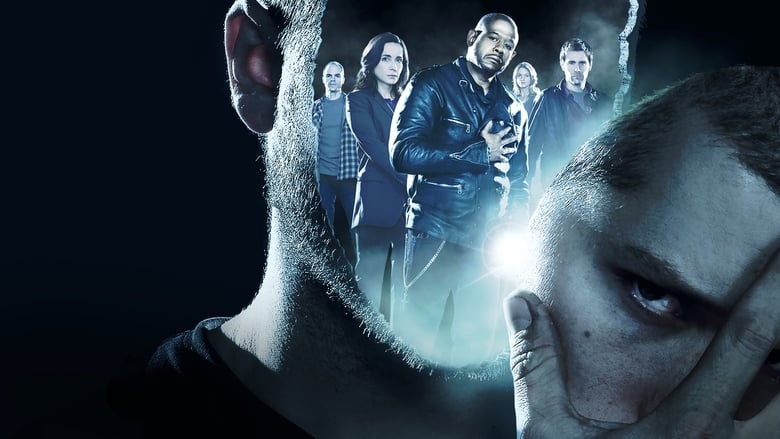
Criminal Minds: Suspect Behavior is a short-lived American police procedural drama that attempted to expand the universe of the long-running hit series Criminal Minds. Premiering on CBS in February 2011, the series shifted the focus from the traditional Behavioral Analysis Unit (BAU) profilers to an elite, rapid-response "Red Cell" team operating outside the usual bureaucratic constraints. Led by the formidable Forest Whitaker as Special Agent Sam Cooper, the unit reported directly to the FBI director, tackling cases that required immediate and unconventional intervention.
The series was introduced via a backdoor pilot, an episode of Criminal Minds titled "The Fight" that aired in April 2010, where the original BAU team met Cooper's new unit while hunting a San Francisco serial killer. Despite the established pedigree and a cast that included Janeane Garofalo, the spin-off struggled to capture the chemistry and dark allure of its parent show. It inherited the Wednesday night time slot immediately following Criminal Minds, a prime position designed to funnel viewers directly into the new series.
Unfortunately, the ratings did not hold up, and CBS canceled Suspect Behavior after a single, truncated season of thirteen episodes. The series finale aired on May 25, 2011, just a few months after its debut. While it failed to launch a lasting franchise extension, the complete series was later released on DVD as a four-disc set, which included cast and crew commentaries and various special features for dedicated fans of the franchise.

The *Criminal Minds* collection is a television crime drama series centered on the FBI's Behavioral Analysis Unit (BAU), a team of elite profilers who analyze the twisted psyches of serial criminals—referred to as "unsubs" (unknown subjects)—to anticipate and prevent their next moves. Debuting in 2005, the original series distinguished itself from other procedurals by prioritizing psychological depth over forensic evidence, weaving together case-of-the-week suspense with long-form character arcs that explore the toll of confronting humanity's darkest impulses. The show's signature elements include tense, atmospheric storytelling, philosophical quotations that bookend each episode, and the iconic private jet that symbolizes the team's constant mobility and insular bond. Over its extensive run, the core series evolved from a focus on the hunt into a nuanced study of trauma, resilience, and the found-family dynamic among brilliant but damaged agents. The collection expanded with two short-lived spin-offs: *Criminal Minds: Suspect Behavior* (2011), which followed a covert, off-the-books BAU team operating outside standard bureaucracy, and *Criminal Minds: Beyond Borders* (2016), which internationalized the premise by following an elite team rescuing Americans endangered abroad while navigating diplomatic and cultural complexities. Though neither spin-off achieved the longevity of the original, they extended the franchise's thematic reach into rogue operations and global threats. Culturally, the collection tapped into pervasive fears of hidden predators, blending crime drama with psychological horror and cultivating a devoted fanbase drawn to its cerebral approach and the BAU's familial camaraderie. Its terminology and imagery have permeated pop culture, and its enduring legacy lies in its insistence that understanding the "why" behind a crime is essential to stopping it, shaping public perceptions of criminal profiling and mental health within law enforcement.