🎬 Kick-Ass 2 (2013)
Part of Kick-Ass
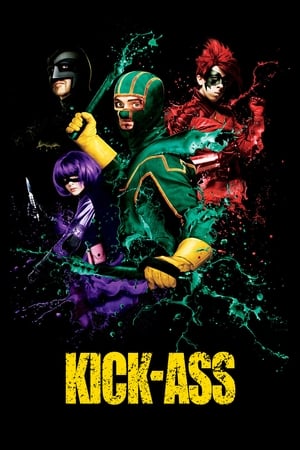
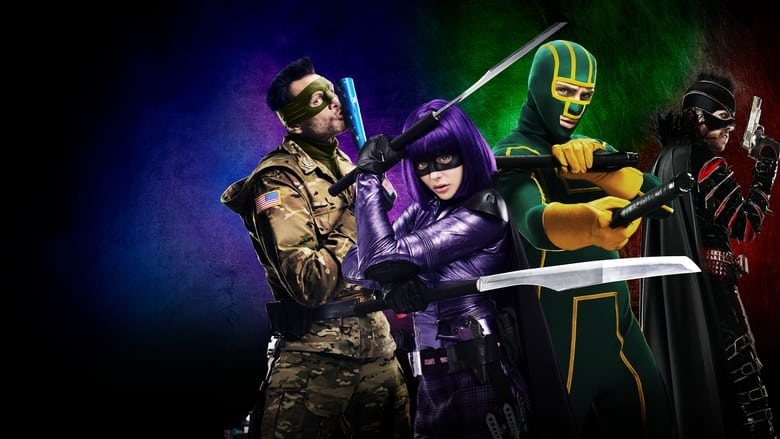
Kick-Ass 2 is the 2013 sequel to the 2010 cult hit Kick-Ass, both based on Mark Millar and John Romita Jr.'s groundbreaking comic series. While the first film adapted the initial volume of the comic, the sequel draws from the second and third books of Kick-Ass – The Dave Lizewski Years, as well as the Hit-Girl miniseries. Directed by Jeff Wadlow, the film sees Aaron Taylor-Johnson, Christopher Mintz-Plasse, and Chloë Grace Moretz reprising their roles, with Jim Carrey joining the cast as Colonel Stars and Stripes.
The film picks up with Dave Lizewski bored in retirement and itching to get back into the vigilante game, while Mindy Macready (Hit-Girl) tries to navigate the horrors of high school. Meanwhile, Chris D'Amico, now calling himself The Motherfucker, assembles a gang of supervillains called the Toxic Mega Cunts to exact revenge on Kick-Ass. The sequel leans even harder into the comic's signature blend of ultraviolence and pitch-black comedy, though it received more mixed reviews than its predecessor.
Where the first film was a sleeper hit that helped launch the careers of its young stars, Kick-Ass 2 struggled to recapture the same lightning-in-a-bottle energy. Jim Carrey notably distanced himself from the film's violence after the Sandy Hook shooting, refusing to participate in promotion. Despite the controversy, the film performed modestly at the box office and has maintained a dedicated fanbase. The Kick-Ass franchise has since expanded with spin-off comics and a planned third film that promises to take the series in an unexpected new direction.

Kick-Ass – The Dave Lizewski Years is a creator-owned comic book series written by Mark Millar and illustrated by John Romita Jr. It was first published in 2008 under Marvel's Icon imprint before moving to Image Comics. The series is set in the Millarworld and follows Dave Lizewski, an ordinary teenager who decides to become a real-life superhero despite having no powers or training. His exploits go viral online, inspiring others to don costumes, and he soon becomes entangled with the brutal vigilantes Big Daddy and his daughter Hit-Girl, who are waging a bloody war against the Genovese crime family.
The comic gained notoriety for its extreme violence, dark humor, and deconstruction of the superhero genre. It explores what would realistically happen if someone tried to be a superhero in the real world — broken bones, humiliation, and very real danger. The series was originally published as a single title simply called Kick-Ass, but was later retroactively named Kick-Ass – The Dave Lizewski Years to distinguish it from subsequent volumes focusing on other characters.
The comic ran for three volumes, with the second and third books shifting focus to Hit-Girl's origin and the formation of a villainous counterpart to Kick-Ass. The series became a cultural phenomenon, sparking debates about violence in comics and launching a multimedia franchise that includes films, spin-off comics, and crossovers with other Millarworld properties like Kingsman and Wanted.
The Kick-Ass series is a bold reimagining of the superhero genre, shifting the focus from traditional, costumed vigilantes to ordinary individuals who attempt to take on crime without any special training or powers. Drawing inspiration from the acclaimed comic book series by Mark Millar and John Romita Jr., the saga quickly established itself as a fresh take on pop culture heroism. It deliberately strips away the mythic elements of the genre, replacing them with grounded, often chaotic depictions of amateur crime-fighting.
The series is renowned for its unflinching blend of dark comedy, graphic violence, and satirical commentary on modern media and the superhero mythos. It explores the blurred lines between heroism and vigilantism, frequently highlighting the dangerous and unpredictable consequences of taking justice into one's own hands. By focusing on flawed, relatable protagonists, the series challenges the idealized portrayals of crime-fighters that dominate mainstream cinema.
Despite its relatively short run, the series left a lasting mark on modern film by pushing boundaries in terms of content, tone, and narrative ambition. It helped pave the way for more grounded, morally ambiguous, and mature superhero stories, influencing how the genre approaches realism and audience expectations. Today, it remains a cult favorite celebrated for its fearless storytelling and enduring cultural impact.