🎬 S.W.A.T.: Firefight (2011)
Part of S.W.A.T.
S.W.A.T.: Firefight is a 2011 direct-to-video action film that serves as a standalone sequel to the 2003 movie S.W.A.T., which itself was a big-screen adaptation of the 1975 television series. Directed by Benny Boom, the film transplants the elite tactical action from Los Angeles to Detroit, where LAPD S.W.A.T. sergeant Paul Cutler, played by Gabriel Macht, is sent to train the local team. The story follows Cutler as he clashes with the department's old guard while being drawn into a dangerous confrontation with a deranged ex-government agent.
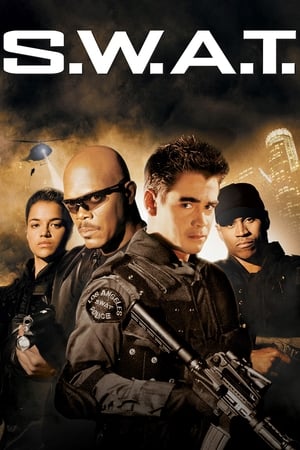
Unlike the 2003 film, Firefight does not feature any of the original cast members from either the movie or the classic TV series, nor does it reference the events of the 1975 show. This creative decision allowed the filmmakers to craft a more self-contained narrative while still operating under the recognizable S.W.A.T. brand. The film leans heavily into the tactical realism and close-quarters combat that fans of the franchise expect, with Cutler's record of zero civilian casualties over a decade becoming a central character point that is tested throughout the mission.
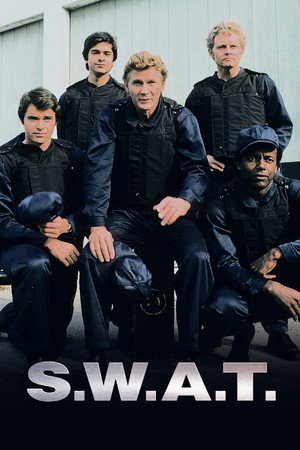
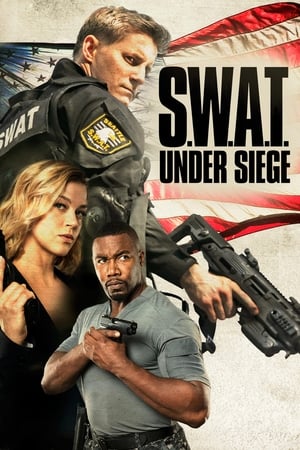
The S.W.A.T. franchise has taken many forms since its 1970s inception, from the iconic Aaron Spelling-produced series with its chart-topping theme song to the star-studded 2003 film and the long-running 2017 CBS reboot. Firefight represents the franchise's expansion into the direct-to-video market, capitalizing on the name recognition to deliver a grittier, more contained action experience. A further sequel, S.W.A.T.: Under Siege, followed in 2017, continuing the series' exploration of tactical police work in different urban settings.
The S.W.A.T. film series is a collection of action films centered on elite Special Weapons and Tactics teams, originating from the 1975 television series created by Robert Hamner. The series explores the high-stakes world of tactical law enforcement, focusing on teamwork, loyalty, and the moral complexities of using extreme force in urban environments. Known for its gritty action sequences and ensemble casts, the films depict specialized police units confronting formidable adversaries in intense, often explosive scenarios. The 2003 theatrical release reimagined the concept for a modern audience, blending crime thriller elements with large-scale set pieces, and was followed by two direct-to-video sequels that continued the theme of SWAT officers facing high-pressure situations. While the entries vary in cast and continuity, they share a core emphasis on the camaraderie and sacrifice inherent in tactical police work. Culturally, the S.W.A.T. series has contributed to popularizing the image of tactical police units in action cinema, alongside other law enforcement-focused properties. Its influence is seen in later films and television shows that depict specialized police operations, though the series itself remains a modest but recognizable part of early 2000s action movie history.