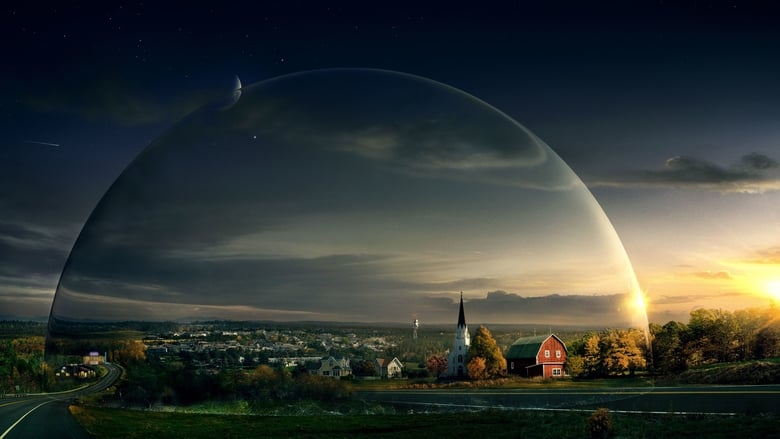
📺 Under the Dome (2013)
Based on novel
When CBS announced a television adaptation of Stephen King's 1,000-page novel "Under the Dome," expectations ran high. Premiering in June 2013, the series developed by Brian K. Vaughan took King's claustrophobic tale of an invisible dome sealing off Chester's Mill, Maine, and stretched it across three seasons. While the novel presented a tightly focused social breakdown over a few days, the show expanded the mystery into a multi-year arc, introducing alien origins, supernatural powers, and a ticking-clock apocalypse that diverged wildly from the source material. Where King's story leaned on gritty realism—crops dying, air growing toxic, and a meth-cooking villain named Big Jim Rennie—the TV series embraced sci-fi spectacle, complete with glowing egg-shaped "kinship" devices and a dome that spoke through hallucinations.
The adaptation's biggest gamble was its cast of characters. The novel's ensemble was trimmed and reimagined: the radio station owner became a young woman with a connection to the dome, and the meth dealer (played by Dean Norris) was softened into a morally complex town selectman. The show also introduced original characters like investigative journalist Julia Shumway and a mysterious girl named Alice, who had no literary counterparts. These changes polarized purists but helped the series find its own identity. The premiere shattered viewership records as the most-watched summer drama debut since 1992, with critics praising its high-concept suspense and lean storytelling—at least initially. As the first season progressed and the dome's origins shifted from natural disaster to extraterrestrial experiment, the narrative frayed.
Seasons two and three saw a steep drop in ratings and critical goodwill. The show's attempt to solve the dome's mystery with pseudo-mythology—involving a failed alien quarantine, a dimension-hopping monarch, and a predestined "prophet"—left many viewers frustrated. King himself, though an executive producer, admitted he found the TV ending "f*ing terrible" in a 2019 interview. Yet for all its deviations, "Under the Dome" remains a fascinating case study in adaptation: a network drama that seized on King's premise of a trapped community and turned it into a ratings juggernaut before collapsing under the weight of its own twists. The series concluded in September 2015, leaving behind a legacy of ambitious what-ifs and a reminder that even the sturdiest narrative dome can crack under pressure.
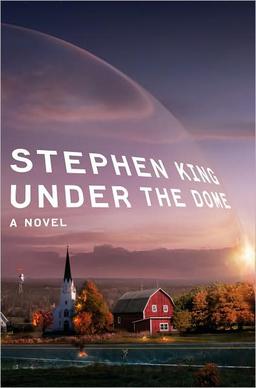
Under the Dome is a science fiction novel written by Stephen King, first published in 2009 by Scribner. Spanning over a thousand pages, it depicts the sudden isolation of the fictional small town of Chester's Mill, Maine, when an invisible, indestructible dome descends from the sky, sealing off the residents from the outside world. As resources dwindle and tensions escalate, the story explores the breakdown of society, power struggles, and human nature under extreme pressure, drawing parallels to King's earlier works like The Stand but with a localized, claustrophobic focus.
The novel features a large ensemble cast, including local politicians, a radio station owner, a veterinarian, and a methamphetamine dealer turned antagonist, whose interactions reveal themes of corruption, survival, and redemption. King's meticulous world-building captures the minutiae of small-town life amid escalating crises like food shortages, toxic air, and internal conflicts. Widely acclaimed for its gripping narrative and social commentary, it became a bestseller and solidified King's reputation for epic, character-driven tales of apocalypse.