📺 Silo (2023)
Based on novel 🔥 Trending this week
Apple TV+'s 'Silo' is a masterful adaptation of Hugh Howey's acclaimed post-apocalyptic book series, bringing the claustrophobic and mysterious world of the underground silo to vivid life. The series began as a self-published short story titled 'Wool' in 2011, which Howey wrote while working as a bookseller. Its explosive popularity through word-of-mouth led to a full series of novels, including 'Shift' and 'Dust', which flesh out the history of the silo and the fate of its inhabitants. The show, created by Graham Yost, captures the oppressive atmosphere and deep-seated paranoia of the source material, where the smallest infraction—like expressing a desire to go outside—is a death sentence.
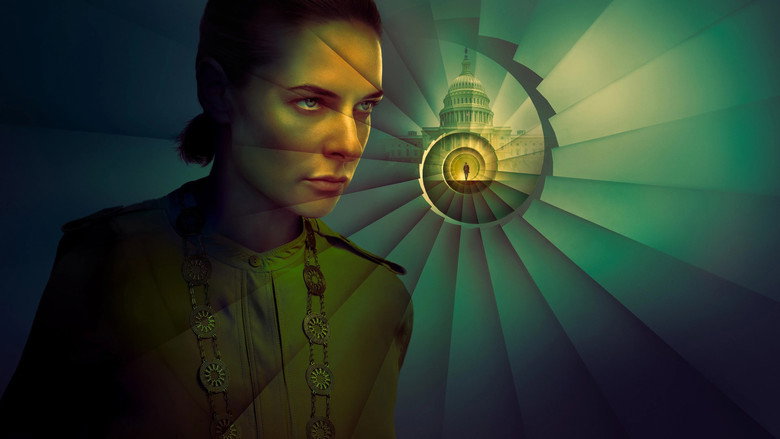
The first season of the show closely follows the plot of the first half of 'Wool', centering on Juliette Nichols, a skilled and tenacious engineer from the lower levels, played with gritty determination by Rebecca Ferguson. After the mysterious death of a loved one, she is thrust into the role of sheriff and begins to peel back the layers of lies that hold her society together. The adaptation expands on certain characters and relationships from the books, giving more screen time to figures like Sheriff Holston and his wife Allison to immediately establish the human cost of the silo's rigid control. The production design is a standout, creating a vast, vertically-integrated world of concrete, steel, and flickering lights that feels both immense and suffocating.
One of the most significant changes from page to screen is the visual representation of the silo itself. In the novels, the central staircase is a spiraling, open structure, whereas the show depicts it as a more enclosed, industrial core, which enhances the feeling of being trapped in a giant machine. The series also introduces the mystery of the outside world's desolation through the 'cleaning' ritual earlier and more graphically than the books, using the stark, beautiful, and deadly imagery of the outside world as a recurring visual motif. The slow-burn pacing allows the conspiracy surrounding the silo's true origins to unfold methodically, rewarding attentive viewers with subtle clues.
The journey of 'Silo' to the screen was a long one, initially starting as a film project at 20th Century Fox with Ridley Scott attached to produce, before ultimately finding a more suitable home as a prestige television series on Apple TV+. The show has been a critical and commercial success, praised for its intelligent writing, stellar performances, and immersive world-building. With the series renewed for a third and fourth season to complete the story, it stands as a prime example of how a thoughtful adaptation can honor its source material while forging its own compelling identity.

The Silo series is a dystopian, post-apocalyptic science fiction saga by American author Hugh Howey. It began in 2011 with the self-published short story 'Wool', which Howey released through Amazon's Kindle Direct Publishing system. The story's immense popularity led him to write four sequel novellas, which were later collected and published together as the novel 'Wool'. The series expanded with the prequel novels 'Shift' and the conclusion 'Dust', along with several additional short stories.
The narrative is set in a grim future where the outside world has been rendered toxic and uninhabitable. The remnants of humanity survive in a massive, 144-level underground silo, governed by a strict set of rules designed to maintain order and ensure the community's survival. The central mystery revolves around the true history of the silo and the nature of the world outside, with characters risking everything to uncover the truth.
Hugh Howey's decision to retain the digital rights to his work while signing a print-only deal with Simon & Schuster was a landmark moment in self-publishing, demonstrating the power and viability of independent authorship in the digital age. The series has been praised for its claustrophobic atmosphere, intricate world-building, and compelling characters, earning a dedicated global fanbase and translation into numerous languages.