🎬 Predators (2010)
Part of Predator
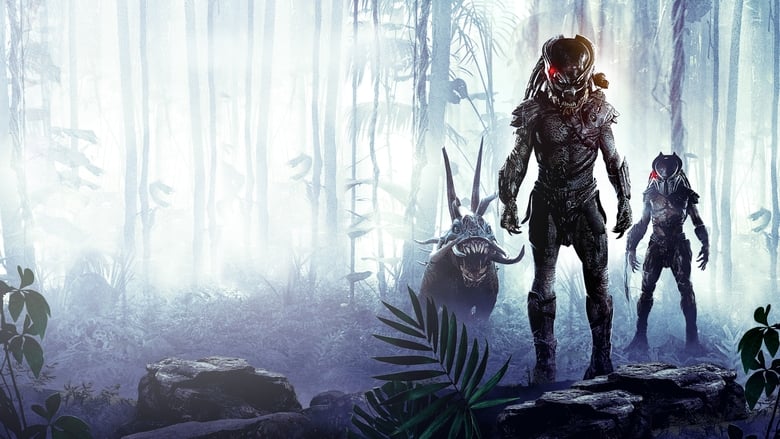
Predators, released in 2010, serves as a standalone sequel that expands the Predator universe by taking the hunt off-world. Directed by Nimród Antal and produced by Robert Rodriguez, the film strands a group of Earth's most dangerous killers—including a mercenary, a death row inmate, and a special forces sniper—on a jungle planet that functions as a game preserve. The twist is immediate and brutal: they are not here to fight each other but to serve as prey for a new breed of Predators.
The film deliberately echoes the structure of the original 1987 classic, trading the Central American jungle for an alien one, but introduces new Predator lore, including a blood feud between two rival Predator clans. Laurence Fishburne's character, a lone survivor driven mad by years of isolation, adds a layer of psychological horror to the action. The title itself is a clever double entendre, referring both to the alien hunters and the human abductees, all of whom are apex predators in their own right.
Critics gave the film mixed reviews, praising its return to the franchise's suspenseful roots after the Alien vs. Predator crossovers but noting its uneven pacing. It performed moderately well at the box office, grossing $127 million worldwide against a $40 million budget. The film is notable for its practical effects and creature design, including the introduction of the larger, more aggressive 'Berserker' Predator.
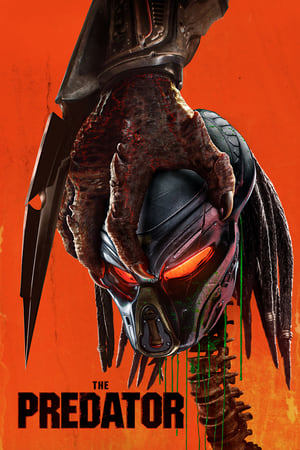
A direct follow-up, The Predator, directed by Shane Black, was released in 2018, taking the franchise in a more comedic and suburban direction.

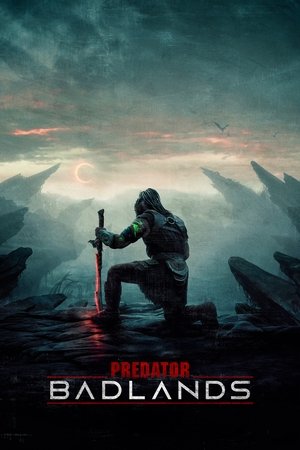
The Predator series is a science fiction action-horror collection centered on a species of extraterrestrial trophy hunters who travel the galaxy seeking worthy prey. Created by screenwriters Jim and John Thomas, the series began with the 1987 film *Predator*, which introduced the creature's distinctive blend of advanced technology—including active camouflage and thermal vision—and a ritualistic warrior code that forbids killing unarmed or defenseless opponents. This foundational entry established the core dynamic that defines the entire collection: a lethal game of cat and mouse in which human resilience and ingenuity are pitted against a physically superior and honor-bound adversary. The series has consistently used its central monster to explore primal fears of being hunted, often placing its characters in isolated, hostile environments that strip away their technological advantages and force them to rely on raw survival instincts. Over time, the collection has expanded its narrative scope, moving the action from contemporary jungles and cities to historical settings and even other planets, while gradually revealing more about the Predator species' culture, hierarchies, and internal conflicts. This evolution has allowed the series to blend genres, shifting between straight action, survival horror, and more contemplative examinations of what it means to be both hunter and hunted. The Predator's iconic design—mandibled face, dreadlock-like appendages, and wrist-mounted plasma caster—has made it one of cinema's most enduring monster designs, instantly recognizable across generations of audiences. The collection's cultural footprint extends well beyond film, with a rich expanded universe of comic books, novels, and video games that have deepened the lore surrounding Predator society, their homeworld, and their ancient rivalry with the Xenomorphs of the *Alien* series. This crossover, realized in the *AVP* duology, created a shared universe that pits two of science fiction's deadliest species against each other and against humanity, offering a distinct blend of horror and spectacle. The series has also been notable for its willingness to reinvent itself, most recently with *Prey*, which transported the conflict to the Comanche Nation in 1719, earning critical acclaim for its stripped-back approach and fresh cultural perspective. With upcoming entries like *Predator: Badlands* and an animated anthology, the collection continues to find new ways to explore the eternal struggle between predator and prey, ensuring its relevance as a vital and evolving property in the science fiction landscape.