🎬 Star Trek Into Darkness (2013)
Part of Star Trek: Alternate Reality
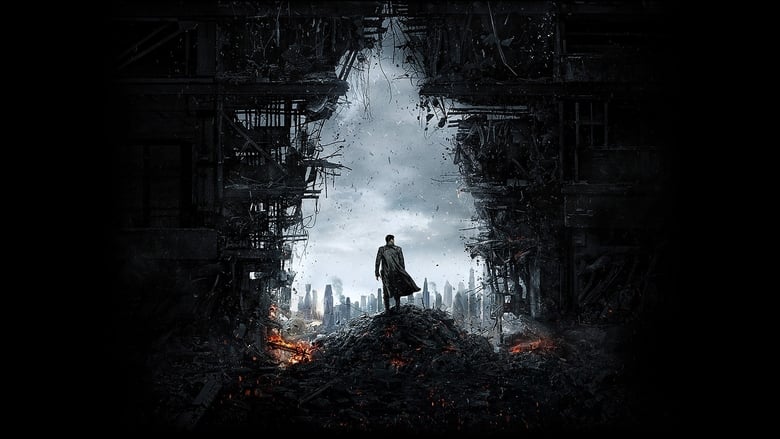
Star Trek Into Darkness is the 2013 sequel to J.J. Abrams' 2009 franchise reboot, Star Trek, and the twelfth feature film in the overall Star Trek series. Picking up after the events of the first film, it follows a more seasoned Captain James T. Kirk and the crew of the USS Enterprise as they face a devastating act of terrorism from within their own organization. The attack sends them on a manhunt to the Klingon homeworld to capture the mysterious superhuman antagonist John Harrison, a role that allowed Benedict Cumberbatch to deliver a chilling, fan-debated performance.
The film is notable for its thematic and narrative echoes of the classic 1982 film Star Trek II: The Wrath of Khan, essentially serving as an alternate-timeline reimagining of that story's core elements. This connection was a closely guarded secret during production, with the filmmakers initially denying that Cumberbatch was playing the iconic villain Khan Noonien Singh. The reveal became a major point of discussion among fans, with some praising the darker, post-9/11 allegory of militarization and extrajudicial justice, while others critiqued it for relying too heavily on nostalgia.
Visually, Into Darkness was a significant technical achievement, being the first Star Trek film shot partially with IMAX cameras and converted to 3D in post-production. The visual effects, again handled by Industrial Light & Magic, created spectacular set pieces including a volcanic cold open and a thrilling space-jump sequence. The film also holds a poignant place in franchise history as the final on-screen appearance of Leonard Nimoy, who reprised his role as the elder Spock in a brief but crucial cameo before his passing in 2015.
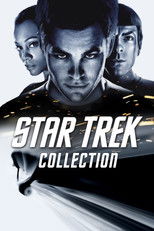
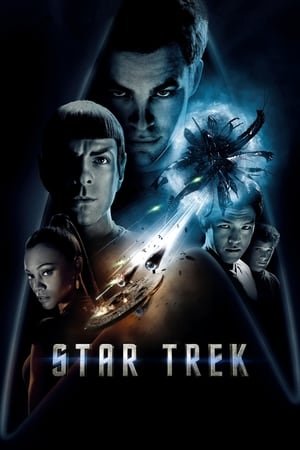
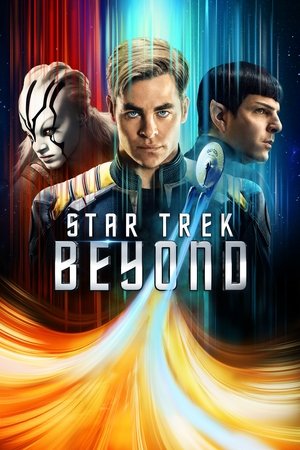
The Star Trek: Alternate Reality grouping, commonly referred to as the Kelvin Timeline trilogy, is a cinematic reimagining of the classic Star Trek universe. Launched in 2009, it introduces a new cast portraying the iconic original series characters within an alternate timeline created by a time-travel incursion. This narrative device allowed the films to honor the legacy of the franchise while forging a distinct path, free from the constraints of established canon. The trilogy revitalized Star Trek for a modern audience, blending the series' traditional themes of exploration, unity, and heroism with contemporary blockbuster spectacle and high-stakes action. Its visual style and pacing marked a significant departure from earlier Star Trek films, emphasizing emotional arcs and interstellar conflict alongside the spirit of discovery. The grouping consists of three films, each contributing to an overarching story of the crew of the USS Enterprise coming together and facing threats that test their bonds and ideals. The series explores the consequences of altered history, the resilience of friendship, and the enduring mission to seek out new life and civilizations. While commercially successful and generally well-received, the trilogy also sparked debate among fans regarding its balance of action and the more cerebral, philosophical roots of the franchise. Nevertheless, it succeeded in expanding Star Trek's cultural footprint, bridging generations of viewers and demonstrating the timeless appeal of its characters and optimistic vision of the future.