🎬 Robot Chicken: Star Wars Episode II (2008)
Part of Robot Chicken - Star Wars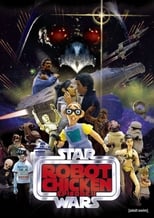
Robot Chicken: Star Wars Episode II is a 2008 stop-motion animated television special that serves as the direct sequel to the Annie Award-winning Robot Chicken: Star Wars. Airing as a one-off special on Cartoon Network's Adult Swim block, the 22-minute episode continues the series' irreverent and rapid-fire sketch comedy approach to the Star Wars universe, blending the franchise's iconic characters and moments with the absurdist, pop-culture-saturated humor that defines Robot Chicken.
Like its predecessor, the special was released as a standalone DVD, which includes both the original broadcast version and an extended cut featuring an additional 15 minutes of footage. The special was well-received for its deep-cut references and willingness to poke fun at the saga's lore, earning a nomination for the 2009 Primetime Emmy Award for Outstanding Animated Program for Programming Less Than One Hour.
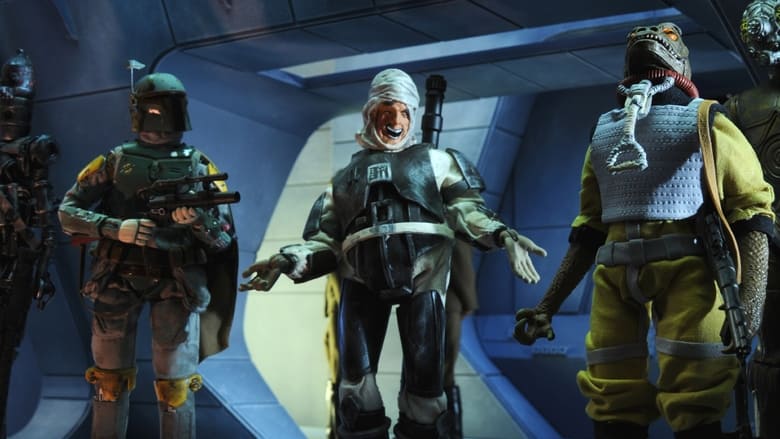
The sketches range from a vengeful Boba Fett escaping the Sarlacc pit to slaughter Ewoks, to Emperor Palpatine getting a haircut from an Ithorian barber who suggests hiring bounty hunters. The framing device features the Mad Scientist as Palpatine rebuilding the Robot Chicken, a parody of Darth Vader's reconstruction in Revenge of the Sith, before forcing it to watch the show. The special also includes a parody of the Geonosian arena from Attack of the Clones, reimagined as a monster truck rally commercial.
This animated anthology series emerged from the stop-motion comedy show Robot Chicken, created by Seth Green and Matthew Senreich. The concept revolves around repurposing action figures and toys to create rapid-fire, sketch-based parodies of popular culture. When the creators turned their attention to one of the most iconic science fiction universes in cinematic history, they crafted a dedicated trilogy of television specials that blend absurd humor with deep-cut references. The project was born out of a genuine love for the source material, allowing the writers and animators to explore both the epic scale and the mundane details of the galaxy far, far away through a comedic lens. The involvement of George Lucas and the blessing of Lucasfilm lent the parodies an official, affectionate seal of approval, with Lucas himself contributing voice work and ideas to the specials.The overarching theme of the trilogy is a loving yet irreverent deconstruction of space opera tropes. By utilizing the stop-motion format, the series highlights the physicality of toy culture while simultaneously poking fun at the dramatic stakes, character dynamics, and iconic moments that define the franchise. The humor often relies on subverting expectations, placing legendary heroes and villains in mundane or ridiculous situations, and celebrating the decades of fandom that have grown around the original saga. Recurring sketches, such as Emperor Palpatine’s petty grievances or Boba Fett’s exaggerated bravado, build a comedic continuity that rewards attentive viewers. This approach resonates strongly with audiences who appreciate both high-concept sci-fi and self-aware comedy.Culturally, the trilogy has cemented its place as a beloved companion piece for fans of the original space epic. It bridges the gap between mainstream blockbuster entertainment and niche adult animation, proving that parody can be both a critical commentary and a tribute. The specials have been praised for their creativity, voice talent—including Mark Hamill, Carrie Fisher, and Billy Dee Williams reprising their roles—and ability to capture the spirit of the source material while maintaining a distinct comedic identity. The trilogy’s success demonstrated that officially sanctioned parody could deepen fan engagement rather than diminish it, paving the way for similar collaborations between comedy creators and major studios.The legacy of this trilogy continues to influence how animated comedy interacts with major cinematic franchises. It stands as a testament to the idea that even the most revered stories can be reimagined through a playful and imaginative lens, and that the line between tribute and satire can be joyfully blurred. The specials remain a touchstone for Robot Chicken’s broader pop-culture parody work and are frequently cited as some of the series’ most memorable and rewatchable episodes, enduring as a unique intersection of toy nostalgia, fan culture, and sharp comedic writing.