📺 Kings (2009)
Based on myths/legends
NBC's 'Kings' was a bold and ambitious attempt to transplant the biblical story of King David into a modern, alternate-reality setting. Created by Michael Green, the series reimagines the ancient Kingdom of Israel as the fictional Kingdom of Gilboa, a prosperous absolute monarchy that looks and feels like present-day America. The story follows David Shepherd, a young soldier whose heroic act on the battlefield catapults him into the royal court of King Silas Benjamin, setting the stage for a classic tale of rivalry, loyalty, and destiny.
The series directly maps its characters and plotlines to the Books of Samuel. Ian McShane's Silas Benjamin is a stand-in for King Saul, a ruler who believes he was divinely anointed by a swarm of butterflies forming a 'living crown' on his head. Christopher Egan's David Shepherd mirrors the biblical David, rising from obscurity to become both a national hero and a threat to the throne. The show weaves in other biblical elements, such as the deep bond between David and the king's son Jack (Jonathan), and the king's daughter Michelle (Michal) who falls in love with David.
Despite critical praise for its visual style, Shakespearean dialogue, and Ian McShane's commanding performance, 'Kings' struggled to find an audience. Its dense mythology, deliberate pacing, and unconventional mix of political drama and religious allegory made it a tough sell for network television. NBC aired only a handful of episodes in its Sunday night slot before burning off the remaining episodes on Saturdays, ultimately cancelling the series after a single season. In the years since, it has gained a cult following and is often cited as a show that was ahead of its time, a rare network drama that dared to treat its source material with literary seriousness rather than as a gimmick.
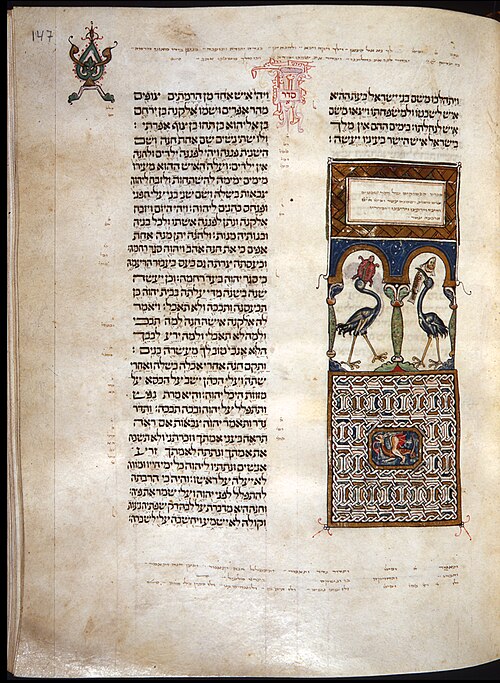
The Books of Samuel are two books of the Hebrew Bible, originally a single unified work, that form a foundational narrative in Jewish and Christian scripture. They chronicle the transition of ancient Israel from a loose confederation of tribes led by judges to a unified monarchy, covering the lives of the prophet Samuel, the rise and fall of King Saul, and the ascent of King David. The text is traditionally attributed to the prophet Samuel, along with the seers Gad and Nathan, though modern scholarship views it as a composite work compiled from various sources over centuries.
The narrative is rich with political intrigue, divine intervention, personal drama, and moral complexity. It introduces iconic figures such as the tragic King Saul, the heroic and flawed David, his deep friendship with Jonathan, and his eventual adultery with Bathsheba. The story of David, from his anointing as a shepherd boy to his legendary battle with Goliath and his tumultuous reign, has become one of the most enduring and influential tales in Western culture.
Beyond its religious significance, the Books of Samuel have profoundly shaped literature, art, and political thought. The David story in particular has served as a template for countless narratives about leadership, destiny, and the corrupting nature of power. Its themes of divine right, public image, and the personal cost of ambition continue to resonate and inspire modern retellings across all media.