📺 Game of Thrones (2011)
Part of Game of Thrones Franchise
Game of Thrones, the HBO television series that premiered in 2011, is the first screen adaptation of George R. R. Martin's monumental fantasy novel series A Song of Ice and Fire. Created by showrunners David Benioff and D. B. Weiss, the series takes its name from the first book in Martin's saga and initially follows its plot closely, introducing viewers to the warring noble houses of Westeros, the exiled Targaryen heir across the Narrow Sea, and the ancient, supernatural threat stirring beyond the Wall. The show quickly became a global phenomenon, breaking viewership records for HBO and earning widespread critical acclaim for its production values, complex characters, and shocking narrative twists.
Over eight seasons, Game of Thrones evolved from a relatively faithful adaptation into a cultural juggernaut that outpaced its source material. The early seasons hewed closely to Martin's published novels, but as the series progressed beyond the books, Benioff and Weiss increasingly charted their own course toward a conclusion, working from plot outlines provided by Martin. This divergence became a major point of discussion among fans, particularly in the final two seasons, which drew significant criticism for their pacing and creative choices despite the show's continued commercial success.
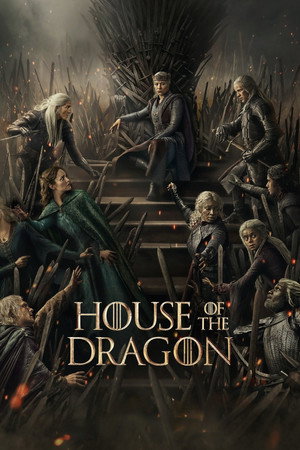
The series launched a sprawling franchise that includes the prequel series House of the Dragon, which adapts Martin's fictional history Fire & Blood, and several other projects in development. Game of Thrones fundamentally reshaped the television landscape, demonstrating that fantasy could command a massive, mainstream adult audience and ushering in an era of big-budget, prestige genre programming. Its legacy is one of both towering achievement and heated debate, a show that redefined what television could accomplish while also igniting passionate conversations about adaptation, authorship, and the challenges of concluding an epic story.

A Song of Ice and Fire is a series of epic fantasy novels by American author George R. R. Martin. The first volume, A Game of Thrones, was published in 1996 after Martin began developing the story world in 1991. Originally conceived as a trilogy, the series has since expanded to a planned seven volumes, with five published to date: A Game of Thrones (1996), A Clash of Kings (1998), A Storm of Swords (2000), A Feast for Crows (2005), and A Dance with Dragons (2011). The sixth novel, The Winds of Winter, and the seventh, A Dream of Spring, remain forthcoming.
The series is set on the fictional continents of Westeros and Essos and is renowned for its sprawling cast of morally complex characters, its willingness to subvert fantasy tropes, and its gritty political realism. Magic and supernatural elements exist at the margins of the world, growing in prominence as the narrative progresses. The story is told through a rotating set of point-of-view characters, none of whom are guaranteed to survive, creating a pervasive sense of danger and unpredictability.
A Song of Ice and Fire has been widely acclaimed for its intricate plotting, deep world-building, and nuanced exploration of themes such as power, honor, loyalty, and the human capacity for both cruelty and compassion. It has become one of the best-selling fantasy series of all time, translated into dozens of languages and credited with helping to redefine modern epic fantasy for a mainstream adult audience.
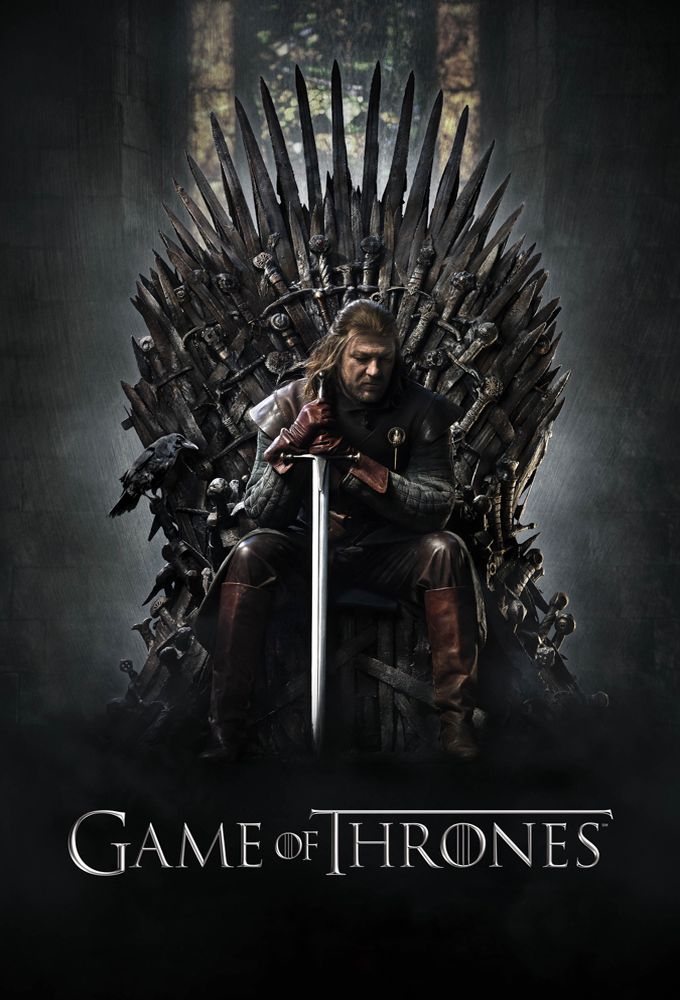
Few television phenomena have reshaped the cultural landscape as profoundly as the Game of Thrones franchise. Born from the sprawling literary world of George R.R. Martin’s *A Song of Ice and Fire*, the franchise transcends the boundaries of a single series to explore the violent, intricate history of the continents of Westeros and Essos. At its core, it is a deconstruction of the fantasy genre, trading pure escapism for brutal political realism, where honor is a deadly liability and power is the only true currency. The original *Game of Thrones* series became a global touchstone by weaving together dozens of morally complex characters in a ruthless struggle for the Iron Throne, proving that mainstream audiences craved long-form mythological storytelling unafraid to subvert expectations and kill its darlings without warning.
The franchise’s evolution lies in its ability to travel through time, using the dynastic past to deepen the tragedy of the future. *House of the Dragon* functions as a Shakespearean prelude, peeling back the centuries to reveal the Targaryen dynasty at the apex of its power, only to watch it implode from within through pride, misogyny, and the terrifying majesty of dragons used as weapons of mass destruction. This expansion transforms the franchise from a linear narrative into a rich historical tapestry, where the ghosts of past civil wars—like the Dance of the Dragons—haunt the ruins seen in the original series. By shifting focus from a sprawling ensemble of warring houses to an intimate, slow-burning familial cold war, the franchise deepened its meditation on legacy, prophecy, and the absolute corruption of absolute power.
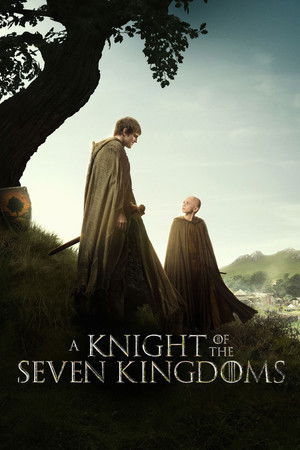
Looking beyond the high lords and fire-breathing beasts, the upcoming *A Knight of the Seven Kingdoms* signals a masterful shift in scale, proving the franchise’s versatility. Set a century before the main saga, it promises to ground the world in the mud and chivalry of common hedge knights, swapping throne room intrigue for the picaresque adventures of Dunk and Egg. This trajectory highlights the franchise’s true strength: it is not merely a collection of dragon battles and shocking deaths, but a living, breathing mythology that examines the human condition across generations. Whether through the lens of a queen, a rogue, or a simple knight, the franchise continues to explore the delicate, often hopeless, struggle to maintain decency in a world built on chaos.