🎬 Scary Movie 5 (2013)
Part of Scary Movie
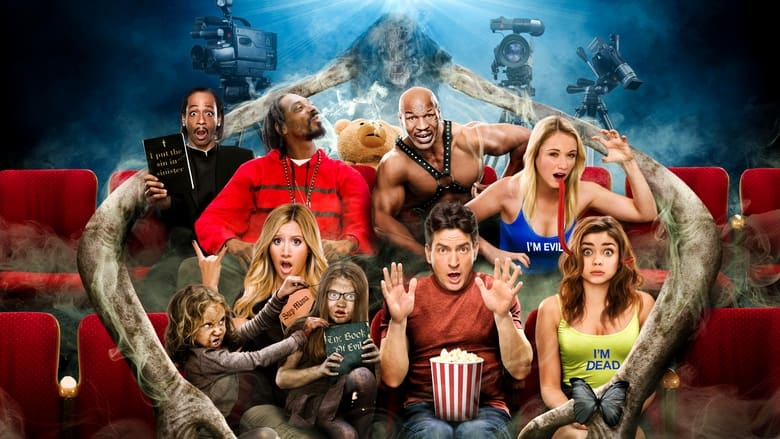
Scary Movie 5, stylized as Scary MoVie, arrived in 2013 as the fifth and, for over a decade, final chapter in the genre-spoofing franchise. Directed by Malcolm D. Lee and co-written by parody veteran David Zucker, the film marked a significant departure from its predecessors by being the first installment not to feature series mainstays Anna Faris and Regina Hall as Cindy Campbell and Brenda Meeks. Instead, the narrative pivots to a new set of characters, led by Ashley Tisdale and Simon Rex, who find themselves entangled in a bizarre series of paranormal events after bringing home a haunted ballet dancer.
The film primarily lampoons the found-footage horror boom of the late 2000s and early 2010s, with its central plot loosely parodying the Paranormal Activity series, particularly the third film. It also takes broad aim at other contemporary hits like Black Swan, Mama, and Rise of the Planet of the Apes. The opening sequence, featuring Charlie Sheen and Lindsay Lohan, directly mocks their tabloid personas and the concept of celebrity sex tapes, setting a tone of pop-culture reference over narrative cohesion.
Upon its release, Scary Movie 5 was met with near-universal disdain from critics, who criticized its reliance on lazy, scattershot gags and the palpable absence of the original cast's chemistry. It holds the unfortunate distinction of being the worst-reviewed entry in the entire series. Commercially, it also underperformed, grossing $78 million worldwide against a $20 million budget, making it the lowest-grossing film in the franchise and effectively putting the series on ice until a reboot was announced over a decade later.
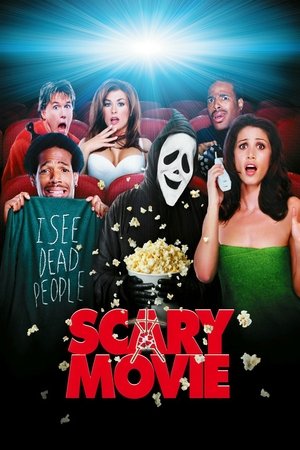
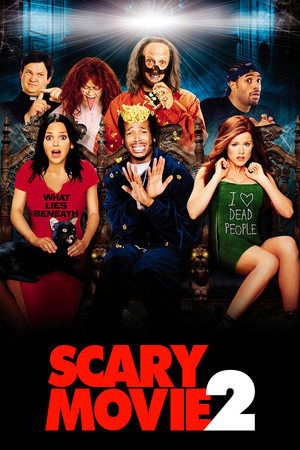
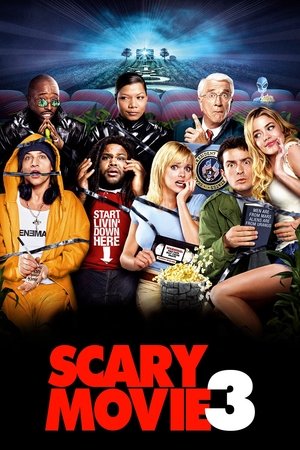
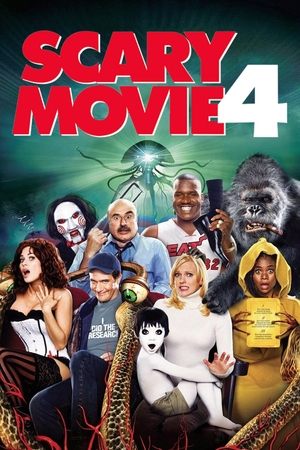
The *Scary Movie* series is a collection of American parody films that primarily lampoon the horror genre, while also satirizing broader pop culture, blockbuster cinema, and celebrity. Originating in the early 2000s under the creative direction of the Wayans brothers, the series established itself through a distinctive blend of slapstick, gross-out humor, and rapid-fire pop-culture references. It directly targets iconic horror films such as *Scream*, *I Know What You Did Last Summer*, and *The Ring*, transforming their suspenseful tropes into vehicles for absurdist comedy. The series is characterized by its frantic pacing and a refusal to let any moment of sincerity go unpunished, creating a comedic language where no film is too revered to escape ridicule. The early entries, particularly those with the Wayans' involvement, are noted for their focused genre parody and introduced recurring characters like the hapless Cindy Campbell and the outspoken Brenda Meeks, who became central to the series' identity. As the series progressed, its satirical scope expanded significantly. Later installments moved beyond a strict horror focus to adopt a more episodic, sketch-like structure, taking aim at a wider array of targets including sci-fi epics, superhero franchises, and reality television. This evolution reflected the accelerating churn of pop culture in the 2000s and 2010s, with films like *Scary Movie 4* spoofing *War of the Worlds* and *The Grudge*. The departure and eventual partial return of key creative voices, along with frequent recasting, marked a shift in tone and approach, leading to a more scattershot style of humor that mirrored the changing comedic appetite of the era. The series consistently positioned itself as a funhouse mirror to Hollywood's biggest spectacles, highlighting their inherent absurdities. The *Scary Movie* collection's legacy is defined by its fearless, and often divisive, blend of lowbrow comedy and high-concept satire. It captured a specific millennial zeitgeist that processed cultural consumption through irony and irreverence, influencing a wave of spoof films that followed. While later installments faced mixed critical reception, the series' cultural footprint remains undeniable, with its most iconic sequences cemented in the collective memory of a generation. It stands as a testament to the power of parody not just to amuse, but to serve as a crude, yet incisive, form of cultural commentary on the stories we tell and the fears we market.