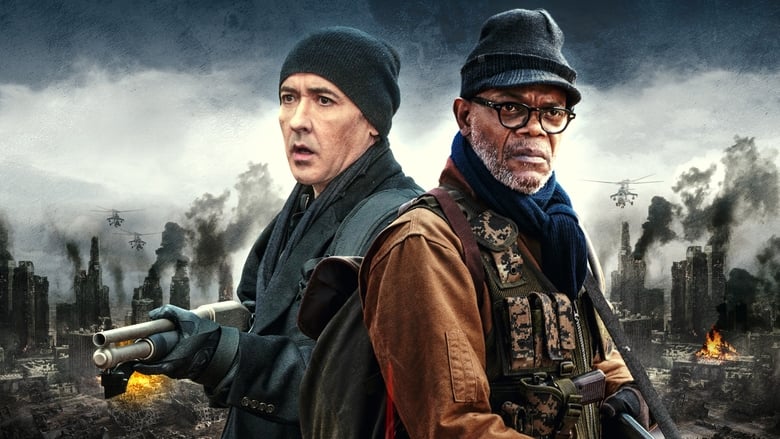
🎬 Cell (2016)
Based on novel
Stephen King's 2006 novel Cell imagined a world where a single signal transmitted through the global cell phone network could reduce humanity to a rabid, hive-minded horde in an instant. The book was a lean, propulsive return to apocalyptic horror for King, trading the sprawling ensemble casts of his earlier epics for a tight focus on a small band of survivors led by graphic artist Clayton Riddell. A decade later, the story made its way to the screen in a 2016 adaptation directed by Tod Williams, with a screenplay co-written by King himself and Adam Alleca.
The film reunited John Cusack and Samuel L. Jackson, who had previously starred together in the 2007 adaptation of King's short story 1408. Cusack took on the role of Clay Riddell, while Jackson played Tom McCourt, the middle-aged survivor who joins Clay in the immediate aftermath of the Pulse. Isabelle Fuhrman rounded out the core trio as Alice Maxwell. Despite the talent involved and King's direct involvement in the script, the production faced a troubled path to release, ultimately debuting on video on demand in June 2016 before a very limited theatrical run the following month.
Critics were largely unkind to the film, which struggled to capture the relentless momentum and creeping dread of its source material. Many reviews pointed to a low budget that constrained the scope of the apocalypse and an ending that diverged from the novel's famously bleak and ambiguous final pages. Where King's book left readers haunted by the implications of its climax, the film opted for a more conventional resolution that disappointed fans hoping for a faithful translation of the story's darker themes.
Despite its reception, Cell remains an interesting entry in the long history of Stephen King adaptations, notable for its attempt to bring a post-9/11, technology-driven horror story to the screen at a time when smartphone dependence had only grown more pervasive since the novel's publication. The core concept — that the devices we carry in our pockets could become instruments of our destruction — has arguably only become more resonant in the years since both the book and the film were released.
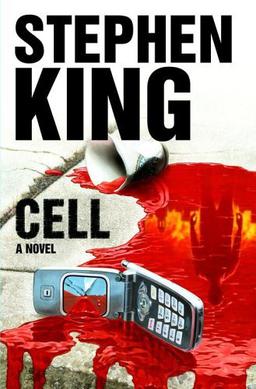
Cell is a 2006 apocalyptic horror novel by American author Stephen King. The story follows Clayton Riddell, a struggling artist from Maine who has just landed a graphic novel deal in Boston when a mysterious signal, dubbed "The Pulse," is broadcast over the global cell phone network. The signal instantly and violently transforms anyone using a cell phone into mindless, zombie-like creatures called "phoners." As civilization collapses in a wave of brutal attacks, Clay bands together with a small group of unaffected survivors, including middle-aged Thomas McCourt and teenager Alice Maxwell, and begins a harrowing trek north across a devastated New England in a desperate attempt to reunite with his young son, Johnny.
The novel explores themes of technological dependence, the fragility of civilization, and the primal instinct for survival. As the group journeys through the ruins of society, they encounter other survivors and begin to observe disturbing changes in the behavior of the phoners, who appear to be developing a hive mind and evolving into something far more coordinated and sinister than simple rage-driven monsters. The narrative builds toward a haunting and ambiguous conclusion that has divided readers since publication.
Cell was published in January 2006 by Scribner and marked King's return to the apocalyptic horror subgenre he had previously explored in works like The Stand. The novel received mixed to positive reviews, with critics praising its fast-paced, cinematic structure and its chillingly plausible premise, though some noted its echoes of George A. Romero's zombie films. It became a bestseller and was later adapted into a feature film released in 2016.