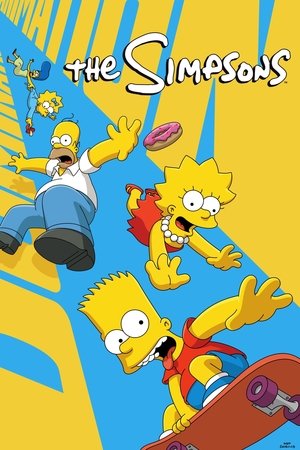
🎬 The Simpsons Movie (2007)
Part of The Simpsons Movie
The Simpsons Movie is a 2007 American animated comedy film based on the long-running animated television series The Simpsons, which first premiered in 1989. The film brings the beloved, dysfunctional family from Springfield to the big screen in a widescreen epic that sees Homer Simpson's reckless actions—specifically polluting the town lake with a silo full of pig waste—trigger an environmental catastrophe. This leads to Springfield being encased in a massive glass dome by the Environmental Protection Agency, forcing the family to flee and ultimately reconcile their differences to save their hometown.
Attempts to create a Simpsons film had been in discussion since the early days of the series, but they repeatedly stalled due to the lack of a script that felt worthy of a theatrical feature. Development began in earnest in 2001, with a massive writing team that included series creator Matt Groening, James L. Brooks, Al Jean, Mike Scully, and many of the show's most legendary writers. The screenplay was rewritten over a hundred times, a process that continued even after animation began in 2006, resulting in hours of finished material being cut, including cameos from stars like Edward Norton and Kelsey Grammer's Sideshow Bob. The final film features a memorable guest appearance by Green Day and Tom Hanks playing themselves.
Directed by David Silverman and featuring the full regular voice cast, the movie was a massive critical and commercial success, grossing over $536 million worldwide. It was praised for successfully translating the show's rapid-fire humor and emotional core to a cinematic format, proving that after 18 seasons, the series could still deliver a fresh and satisfying story on a much larger canvas.
The Simpsons Movie is a single theatrical film released in 2007, serving as a feature-length extension of the long-running animated television series The Simpsons. Produced by Gracie Films and distributed by 20th Century Fox, it brings the iconic residents of Springfield to the big screen for a self-contained adventure that expands beyond the show's typical half-hour format. The film was directed by David Silverman and features the series' core voice cast, including Dan Castellaneta, Julie Kavner, Nancy Cartwright, and Yeardley Smith. While it is not part of a larger film series, it represents a significant milestone in the franchise's history, marking the first theatrical release for the property after years of speculation and development.
As a standalone cinematic work, The Simpsons Movie maintains the satirical humor, heartfelt family dynamics, and social commentary that have defined the television series since its debut in 1989. The plot centers on Homer Simpson's accidental triggering of an environmental catastrophe that threatens Springfield, forcing the family to confront both global stakes and their own relationships. This narrative scope allows for more elaborate animation, set pieces, and emotional beats than a typical episode, while still honoring the show's established tone and characters.
The film holds a unique place in animation history as a successful transition of a beloved television institution into feature-length storytelling. It was both a critical and commercial success, praised for its clever writing, visual ambition, and ability to appeal to both longtime fans and newcomers. Its release demonstrated the enduring cultural relevance of The Simpsons and proved that the property could sustain a longer narrative without losing its identity. Though no direct sequel has been produced, the film remains a notable example of how a television series can effectively expand into cinema.
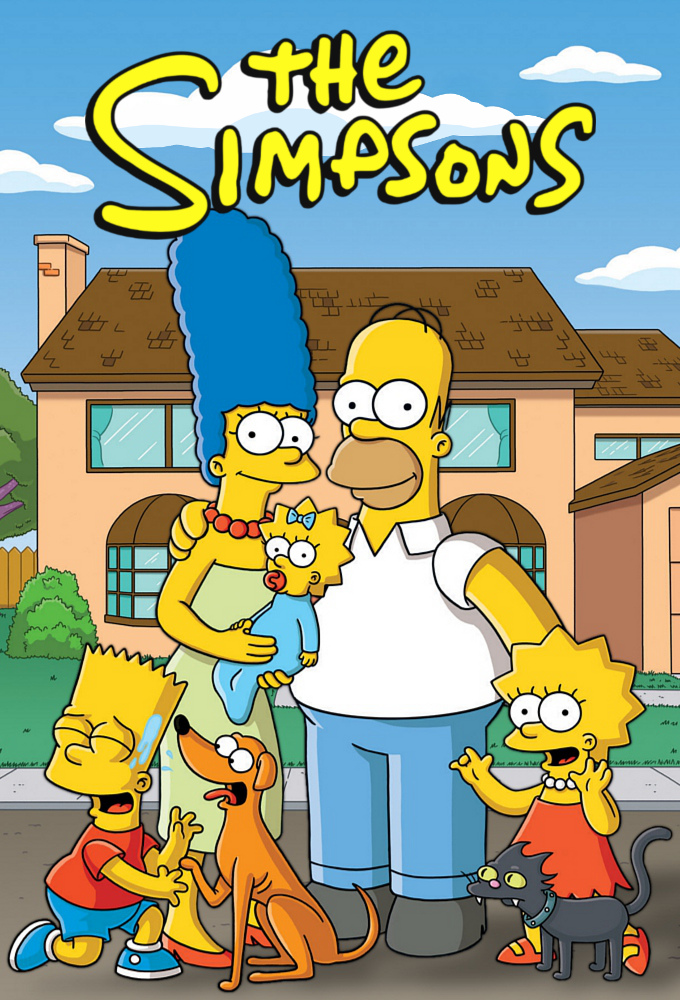
Few animated creations have woven themselves into the global cultural fabric as deeply as The Simpsons. What began as a series of crude, interstitial shorts on The Tracey Ullman Show in 1987 rapidly exploded into a standalone primetime phenomenon that fundamentally redefined the sitcom. As the longest-running American scripted primetime television series, the franchise has evolved from a satirical, dysfunctional family portrait into a sprawling, self-contained universe, encompassing the fictional town of Springfield and a seemingly infinite cast of citizens. Its signature blend of sharp social commentary, slapstick humor, and genuine heart created a new template for adult animation, proving that cartoons could be a vehicle for sophisticated, intertextual storytelling that comments on everything from politics and religion to the banality of corporate culture.
The franchise's longevity is sustained by its remarkable elasticity and its deep penetration into every facet of entertainment. Beyond the core television show, the universe expanded into a multimedia empire, most notably with the long-gestating The Simpsons Movie in 2007, which successfully translated the series' rapid-fire gag density to an epic cinematic scale without losing its soul. This world is further enriched by video games, comic books, and the globally renowned Universal Studios theme park land, which allows fans to physically step into a meticulously recreated Springfield. This constant presence across different mediums has turned the characters into modern mythological archetypes—Homer's bumbling paterfamilias, Bart's rebellious id, and Lisa's precocious conscience are instantly recognizable icons that transcend language and geography.
Perhaps the franchise's most staggering achievement is its predictive and reflective power, serving as a long-running chronicle of the decline of the American middle class and the absurdities of the late 20th and early 21st centuries. It has given the modern lexicon a rich vocabulary of phrases and concepts, from "D'oh!" to "cromulent," while its vast library of over 700 episodes functions as a cultural mirror. Though critics often debate the peaks and valleys of its decades-long run, the franchise's influence is immeasurable, having laid the groundwork for a wave of adult-oriented animation and establishing a standard for layered humor where sight gags, character-driven comedy, and biting satire coexist seamlessly. It remains a monolith of entertainment, a yellow-tinged institution that has chronicled the changing world for an entire generation.