🎬 The Devil Wears Prada (2006)
Part of The Devil Wears Prada
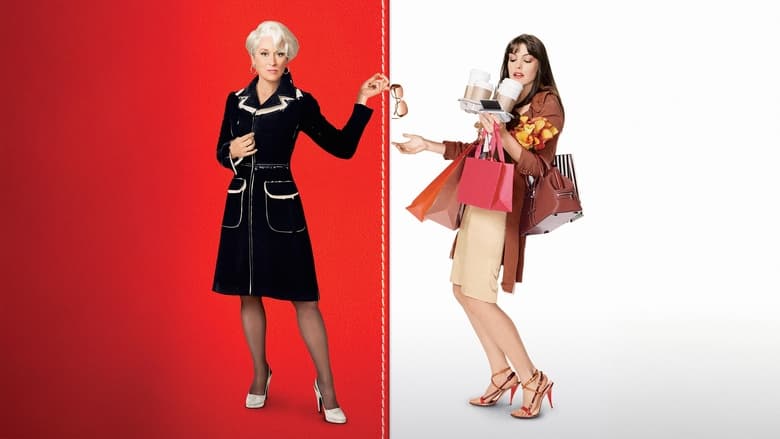
David Frankel’s 2006 adaptation of Lauren Weisberger’s bestselling roman à clef transformed a sharp workplace satire into a glossy cinematic phenomenon, largely by deepening the very character the book skewered. While the novel’s Miranda Priestly is a tyrannical boss rendered through the exhausted eyes of her assistant, Meryl Streep’s portrayal infused the editor with an unexpected weariness and humanity. Her quiet, devastating delivery of lines like “That’s all” redefined the character, turning a caricature of power into a complex woman whose brilliance is inseparable from her cruelty. This shift in tone, masterfully handled by screenwriter Aline Brosh McKenna, elevated the film from a simple tale of a put-upon employee into a nuanced exploration of the sacrifices demanded by female ambition.
The film made several key structural changes that sharpened its focus. The novel’s Andy is more passive and her personal life, particularly her relationship with her boyfriend, is a central source of conflict. The movie, however, streamlines this, using Andy’s transformation from a frumpy intellectual outsider into a chic, capable insider as the primary visual and emotional arc. Stanley Tucci’s character, Nigel, was significantly expanded from a minor figure into a witty, poignant mentor who delivers the film’s thematic heart, explaining the seductive nature of the fashion world. The Paris trip, a climax in both versions, is rendered more dramatically in the film, with Miranda’s Machiavellian betrayal of Nigel and Andy’s final, symbolic walk away from the chaos serving as a more definitive moral reckoning.
Casting was everything. Anne Hathaway, then known for family-friendly fare, fought for the role of Andy, bringing an earnestness that made her eventual seduction by designer clothes feel like a genuine loss of self. Emily Blunt, in a star-making turn, stole scenes as the caustic senior assistant, creating a character so memorable that her withering disdain became instantly iconic. The production itself, with its $35 million budget, relied heavily on the cooperation of the fashion industry, with designers lending real clothes and accessories, lending an authenticity that the novel’s fictionalized “Runway” magazine could only describe. This collaboration blurred the line between satire and celebration, a tension that critics noted but audiences adored.
Upon release, the film was a critical and commercial juggernaut, grossing over $327 million worldwide and earning Streep a Golden Globe and an Academy Award nomination. It transcended its source material to become a cultural touchstone, endlessly quoted and referenced. More than just a successful adaptation, it sparked a broader conversation about women in power, with Streep’s Miranda becoming a Rorschach test for viewers: a monster, a mentor, or a mirror reflecting the impossible standards placed on female leaders. The film’s legacy endures precisely because it refused to simply condemn its villain, instead asking a more unsettling question about what it truly costs to be the one who wears the Prada.
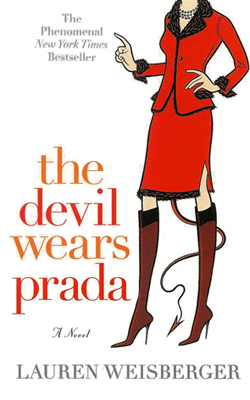
The Devil Wears Prada is a 2003 novel by Lauren Weisberger. It tells the story of Andrea "Andy" Sachs, a recent college graduate who lands a job as the junior personal assistant to Miranda Priestly, the powerful and demanding editor-in-chief of the fictional high-fashion magazine Runway. The novel offers a satirical and often biting look at the fashion industry, exploring themes of ambition, identity, and the personal sacrifices demanded by high-pressure careers.
Weisberger drew heavily on her own experiences as an assistant to Anna Wintour, the legendary editor of Vogue, which lent the book an air of insider authenticity and fueled widespread speculation about its real-life inspirations. The novel became an instant bestseller, spending months on the New York Times Best Seller list and resonating with readers who identified with the challenges of navigating toxic work environments and the struggle to maintain one's values in the face of professional pressure.
The book's cultural impact was significant, sparking conversations about workplace dynamics, mentorship, and the cult of personality surrounding powerful figures in creative industries. Its vivid characters and sharp dialogue made it a touchstone of early 2000s popular literature, and its success paved the way for a major film adaptation that would further cement its place in contemporary culture.
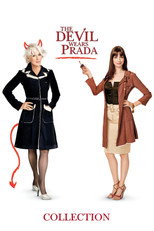
The Devil Wears Prada is a media collection that originated with Lauren Weisberger's bestselling 2003 novel, a satirical roman à clef inspired by her experiences as an assistant at a major fashion magazine. The story plunges into the high-pressure world of fashion journalism through the eyes of a young woman who finds herself working for a demanding and iconic editor-in-chief. The narrative examines themes of ambition, identity, and the personal sacrifices often required to succeed in a cutthroat industry, balancing sharp humor with a critique of workplace culture and the allure of power. The novel's success quickly established it as a cultural conversation starter about mentorship, work-life balance, and the cost of compromising one's values for professional advancement.
The collection gained widespread recognition with its 2006 film adaptation, which brought the story to a global audience. Directed by David Frankel and featuring a celebrated performance by Meryl Streep as Miranda Priestly, the film was noted for its sharp wit, memorable characters, and its satirical yet glamorous portrayal of the fashion world. It became a cultural touchstone, frequently quoted and referenced in discussions about workplace dynamics, ambition, and the fashion industry. The film's success cemented the story's place in popular culture, with Miranda Priestly emerging as an archetype representing both the allure and the peril of absolute power in a creative field.
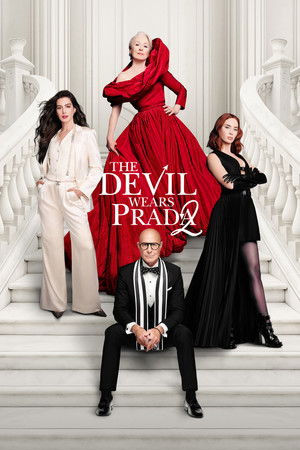
A sequel film, The Devil Wears Prada 2, is scheduled for release in 2026, marking a continuation of the story nearly two decades after the original film. This upcoming entry signals a renewed interest in the characters and themes that resonated with audiences, exploring how the world of fashion journalism and its central figures have evolved in the intervening years. The collection remains a touchstone for discussions about ambition, identity, and the personal costs of professional success.