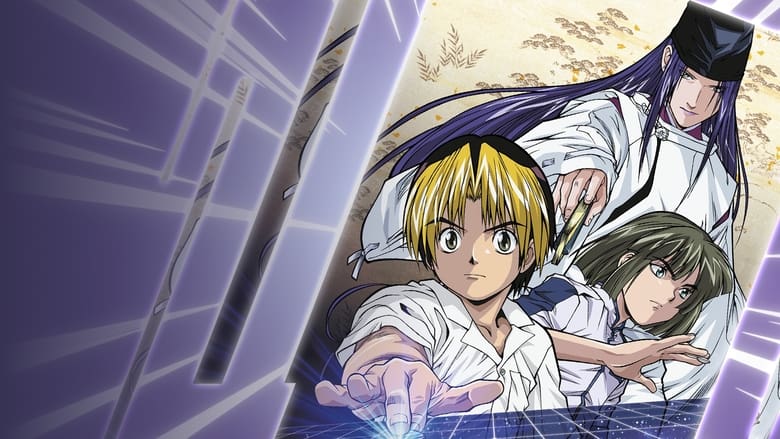
📺 Hikaru no Go (2001)
Based on manga
Hikaru no Go began as a manga series written by Yumi Hotta and illustrated by Takeshi Obata, serialized in Weekly Shōnen Jump from 1998 to 2003. The story follows Hikaru Shindo, a sixth-grader who discovers a Go board haunted by the spirit of Fujiwara no Sai, a Go master from Japan's Heian period. Sai initially plays through Hikaru, but over time Hikaru develops his own love for the game and pursues a career as a professional Go player. The manga was a massive success and is credited with sparking a Go boom among Japanese youth in the late 1990s and early 2000s.
The 2001 anime adaptation by Studio Pierrot ran for 75 episodes and a subsequent TV special, Hikaru no Go: Journey to the North Star Cup, which aired in 2004. The series closely follows the manga's storyline, capturing the intense rivalries between Hikaru and his peers, particularly his chief competitor Akira Toya. The anime's soundtrack by Kei Wakakusa and its faithful recreation of high-stakes Go matches helped it gain a dedicated international following, even among viewers unfamiliar with the game itself.
One notable difference between the manga and the anime is where each concludes. The manga continues beyond the anime's ending, delving further into Hikaru's professional career and his growth after a pivotal, emotional turning point involving Sai. The anime ends earlier, providing a satisfying but somewhat more open conclusion. A Chinese live-action drama adaptation titled Qi Hun was also released in 2020, introducing the story to a new generation of viewers.
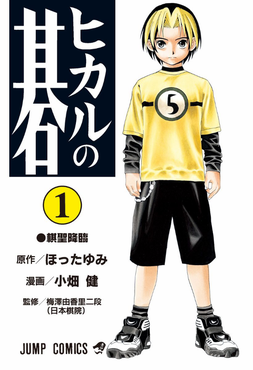
Hikaru no Go is a Japanese manga series centered on the ancient board game Go. Written by Yumi Hotta and illustrated by Takeshi Obata, with Go supervision by professional player Yukari Umezawa, it was serialized in Shueisha's Weekly Shōnen Jump magazine from December 1998 to July 2003. The series was collected into 23 tankōbon volumes and became a significant cultural phenomenon in Japan.
The story follows Hikaru Shindo, a young boy who discovers an old Go board in his grandfather's attic. Upon touching it, he becomes possessed by the spirit of Fujiwara no Sai, a Go master from the Heian era who was the emperor's teacher. Sai, trapped in Hikaru's consciousness, guides the boy's moves during games, leading observers to believe Hikaru possesses extraordinary, inexplicable talent. As the series progresses, Hikaru develops his own genuine passion and skill for the game, eventually striving to become a professional Go player in his own right.
Hikaru no Go is widely credited with revitalizing interest in Go among young people in Japan and beyond. The manga's detailed and accurate depictions of professional Go tournaments, strategies, and the competitive world of the game were praised for their authenticity. Its blend of supernatural elements, coming-of-age drama, and sports-like competition created a unique narrative that appealed to readers who had no prior knowledge of Go.