🎬 300 (2007)
Part of 300
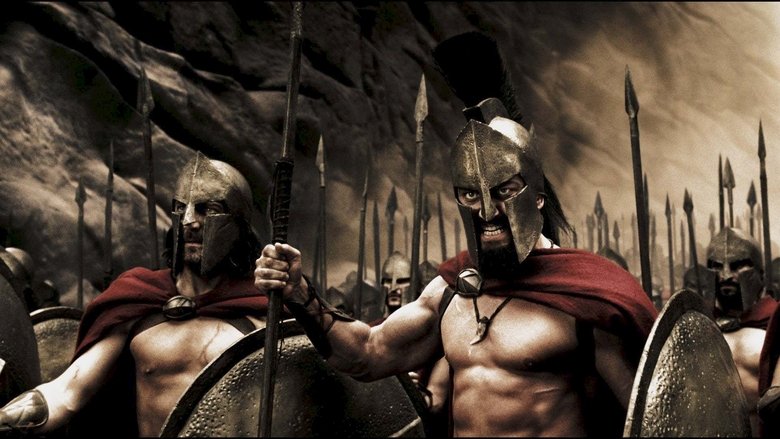
Zack Snyder's 300 (2006) is a shot-for-shot, frame-by-frame cinematic translation of Frank Miller and Lynn Varley's 1998 Dark Horse comic book limited series of the same name. The film, like its source material, is a heavily fictionalized and stylized retelling of the Battle of Thermopylae, where King Leonidas (Gerard Butler) leads 300 Spartan warriors against the overwhelming Persian forces of the god-king Xerxes (Rodrigo Santoro). Snyder famously used bluescreen and digital backlot techniques to replicate the comic's painterly, hyper-real aesthetic, turning Miller's widescreen panels into living tableaus.
The film retains the comic's narrative framing device, with the one-eyed soldier Dilios (David Wenham) recounting the tale as an unreliable narrator, which justifies the film's many historical exaggerations and fantastical creatures—from giant rhinos to monstrous executioners. This approach places 300 squarely in the genre of historical fantasy rather than strict historical epic. The movie also expands the role of Queen Gorgo (Lena Headey), giving her a political subplot in Sparta that was not present in Miller's original comic, adding a layer of intrigue back home while the men fight at the Hot Gates.
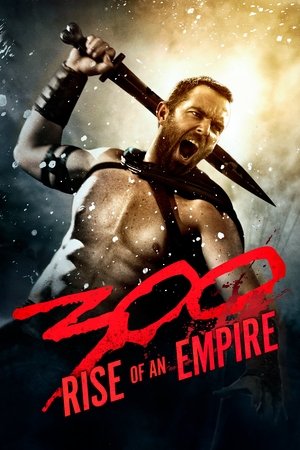
300 became a massive box office hit, grossing over $450 million worldwide on a $65 million budget, and turned Gerard Butler into a star. Its distinctive visual style—heavy on speed ramping, desaturated colors, and crimson capes fluttering against bronze skin—was widely imitated and parodied throughout the late 2000s. The film also marked the feature debut of Michael Fassbender, who plays the young Spartan warrior Stelios. A sequel, 300: Rise of an Empire, followed in 2014, expanding the franchise beyond Miller's original comic by adapting his unpublished graphic novel Xerxes and focusing on naval battles concurrent with the events of the first film.

300 is a 1998 comic book limited series written and illustrated by Frank Miller with painted colors by Lynn Varley. The series was published by Dark Horse Comics and consists of five issues. It is a fictionalized retelling of the Battle of Thermopylae in 480 BC, where King Leonidas and 300 Spartan warriors made a legendary last stand against the massive invading Persian army led by King Xerxes.
The comic is renowned for its distinctive visual style, with Miller's heavily inked, widescreen panels and Varley's painterly, atmospheric colors creating a mythic, hyper-stylized aesthetic. The story is framed as a tale told by the Spartan soldier Dilios, an unreliable narrator who embellishes the events with fantastical elements, including monstrous creatures and superhuman feats, elevating the historical battle into epic legend.
Miller drew inspiration from the 1962 film The 300 Spartans, which he had seen as a child, and sought to capture the visceral intensity and heroic sacrifice of the Spartans. The comic was a critical and commercial success, winning three Eisner Awards in 1999 for Best Limited Series, Best Writer/Artist, and Best Colorist. Its striking visual approach and visceral storytelling made it a landmark work in modern comics and laid the groundwork for its later cinematic adaptation.
The 300 collection is a two-film series that brings Frank Miller’s celebrated 1998 graphic novel to the screen through a highly stylized, mythic retelling of the Greco-Persian Wars. Originating with Zack Snyder’s 2007 film, the collection adapts the legendary Battle of Thermopylae, where King Leonidas and a small force of Spartans make a defiant stand against the overwhelming Persian army. A 2014 follow-up, 300: Rise of an Empire, expands the narrative to concurrent naval conflicts, broadening the scope while maintaining the distinctive visual language established by its predecessor.
At the heart of the collection lies a fascination with larger-than-life heroism, sacrifice, and the clash between freedom and tyranny. The stories deliberately embrace a mythic tone, prioritizing dramatic tension and symbolic imagery over strict historical accuracy. This approach transforms ancient warfare into a canvas for exploring timeless ideals of courage, honor, and resistance against impossible odds, often through the lens of a single, charismatic leader and his loyal warriors.
The collection is renowned for its groundbreaking visual aesthetic, which replicates the graphic novel’s painterly compositions through extensive use of digital backlots, speed-ramping, and a desaturated color palette punctuated by splashes of crimson. This distinctive style not only set the films apart upon release but also influenced a wave of action cinema and video games, sparking conversations about the intersection of comic-book art and filmmaking. While the series has faced criticism for historical liberties and political subtext, its bold artistic choices have cemented its place as a memorable experiment in cinematic adaptation.
As a compact duology, the 300 collection leaves a lasting cultural footprint despite its brevity. It introduced a global audience to a hyper-real vision of classical antiquity, turning the Spartan warrior into a modern pop-culture icon. The films’ quotable dialogue, iconic imagery, and visceral combat sequences continue to resonate, ensuring the collection’s legacy as a defining example of how ancient history can be reimagined through a contemporary, visually driven lens.