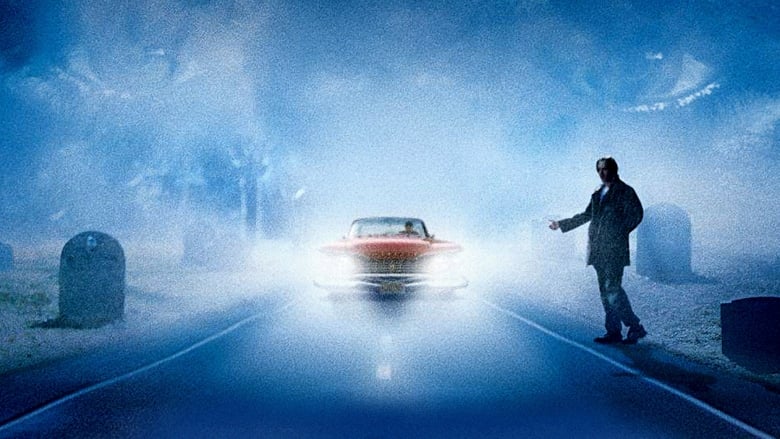
🎬 Riding the Bullet (2004)
Based on novel
Riding the Bullet is a 2004 horror film written, co-produced, and directed by Mick Garris, adapted from Stephen King's groundbreaking 2000 novella of the same name. The novella made publishing history as the first mass-market e-book, downloaded over 400,000 times in its first day. Garris, a longtime collaborator with King who had previously adapted The Stand and The Shining for television, brought the intimate psychological horror story to the screen with a modest budget and a limited theatrical release.
The film stars Jonathan Jackson as Alan Parker, a young art student in 1969 Maine who receives word that his mother has suffered a stroke. As he hitchhikes to the hospital, he encounters a series of strange figures, culminating in a ride with a menacing driver played by David Arquette. The story unfolds as a dark coming-of-age nightmare, blending road-trip tension with supernatural horror as Alan is forced to make an impossible choice between his own life and his mother's.
Despite the pedigree of King's source material and Garris's experience with the author's work, Riding the Bullet struggled at the box office, earning just over $134,000 domestically. The film's limited theatrical rollout and the inherent challenges of adapting a largely internal, first-person narrative may have contributed to its commercial failure. Nevertheless, it remains a notable entry in the long tradition of Stephen King adaptations, distinguished by its psychological focus and its origins in a story that itself broke new ground in how readers consumed fiction.

Riding the Bullet is a horror novella by Stephen King, marking a watershed moment in publishing history as his first work released exclusively in electronic format. Originally published on March 14, 2000, by Simon & Schuster's Scribner imprint in partnership with Philtrum Press, the e-book was distributed through online retailers like Amazon.com and Barnes & Noble.com. The story was initially priced at $2.50 and sold over 400,000 copies in its first 24 hours, overwhelming servers and demonstrating the commercial viability of digital publishing. It later appeared in print as part of King's 2002 collection Everything's Eventual.
Set in 1969, the narrative follows Alan Parker, a college student at the University of Maine who receives word that his mother has suffered a severe stroke. Hitchhiking across the state to reach her hospital bedside, Alan is picked up by a series of drivers, each encounter growing stranger and more unsettling. The journey becomes a harrowing psychological ordeal when he accepts a ride from a mysterious man in a vintage Ford Mustang, who reveals himself to be a manifestation of death itself. The driver offers Alan a chilling choice: ride the bullet—a roller coaster at a defunct amusement park that serves as a metaphor for the passage into the afterlife—or face his own mortality in a more immediate way.
King weaves together themes of grief, guilt, and the fear of loss, drawing on his own near-fatal accident in 1999 to infuse the story with raw emotional power. Alan's internal monologue grapples with suicidal ideation and the weight of unresolved feelings toward his mother, making the supernatural elements feel like extensions of his fractured psyche. The novella blends roadside Americana with classic King horror tropes, using the liminal space of the highway as a stage for confronting the unknown.
Upon release, Riding the Bullet sparked intense debate about the future of books, copyright protection, and the role of traditional publishers. Its success paved the way for the e-book boom of the 2000s and cemented King's reputation as an innovator willing to experiment with new formats. The story has since been adapted into other media, but the original novella remains a landmark work that captures both the anxieties of its era and timeless terrors of the human heart.