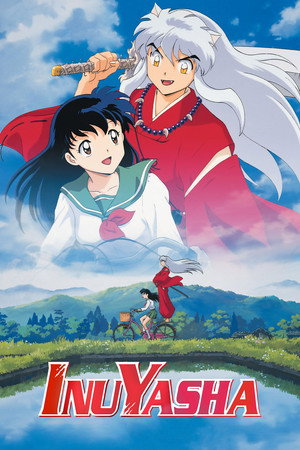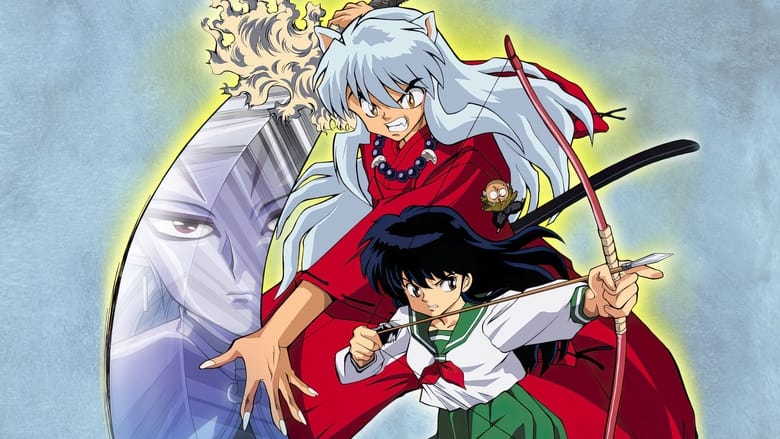
🎬 Inuyasha the Movie: Affections Touching Across Time (2001)
Part of Inuyasha
Released in December 2001, "Affections Touching Across Time" marked the first theatrical venture for the Inuyasha franchise, arriving while the original anime series was still in the midst of its initial broadcast run. Directed by Toshiya Shinohara and written by Katsuyuki Sumisawa, the film had the unique challenge of crafting a self-contained narrative that felt epic enough for the big screen without disrupting the ongoing television storyline. The solution was to introduce an entirely new antagonist, Menomaru, a moth demon awakened by a Shikon Jewel shard, whose backstory is cleverly woven into the established lore by linking him to a past battle with Inuyasha’s legendary father, Toga. This narrative choice allowed the film to explore Inuyasha’s complex feelings about his demonic heritage from a fresh angle, as he faces an enemy literally born from his father’s history.
The film distinguishes itself from the source material’s typical story arcs by leaning heavily into a more fantastical, almost folkloric aesthetic inspired by Chinese mythology, a departure from the predominantly Japanese yōkai of Takahashi’s manga. Menomaru’s minions, Ruri and Hari, present a unique threat by copying Miroku’s Wind Tunnel and brainwashing Kirara, forcing the core group to confront twisted reflections of their own powers and bonds. This creates a dynamic where the heroes are not just fighting a powerful foe, but are also struggling to protect each other from being turned into weapons against themselves. The emotional core, however, remains faithful to the series, centering on the unspoken, time-crossed affection between Inuyasha and Kagome, which is tested by the mind-controlling powers of the villains.
Critically, the film was received as a satisfying, if somewhat formulaic, extension of the television series, praised for its higher animation quality and more fluid action sequences that Sunrise’s theatrical budget allowed. Fans appreciated seeing the beloved ensemble cast in a high-stakes adventure that, while not based directly on a manga chapter, felt authentic to Rumiko Takahashi’s world. The dynamic of the group being separated and psychologically manipulated gave each character a moment to shine, particularly Sango, whose desperation to save her corrupted feline companion Kirara provides some of the film’s most emotionally charged scenes. "Affections Touching Across Time" successfully set the template for the three films that would follow, proving that the feudal fairy tale could transition to cinema without losing its heart.

Inuyasha is a Japanese manga series written and illustrated by Rumiko Takahashi. It was serialized in Shogakukan's Weekly Shōnen Sunday magazine from November 1996 to June 2008, with its chapters collected into 56 tankōbon volumes. The story follows Kagome Higurashi, a fifteen-year-old girl from modern Tokyo who is pulled into a well at her family's shrine and transported to the Sengoku period of feudal Japan. There she meets Inuyasha, a half-dog demon, half-human boy, and together they embark on a quest to recover the shattered fragments of the sacred Shikon Jewel before they fall into the hands of evil forces. Along the way, they are joined by a lecherous monk, a demon slayer, and a fox demon.
Takahashi blends romance, action, and comedy with a darker, more violent tone than her earlier works, using the historical setting to explore themes of reincarnation, prejudice, and the struggle between humanity and demonic power. The manga became a massive commercial and critical success, influencing a generation of shōnen titles and paving the way for a multimedia franchise that includes anime series, films, video games, and merchandise, earning a devoted international fanbase.
The Inuyasha film series is a collection of four animated theatrical features that expand the narrative universe of Rumiko Takahashi's acclaimed manga and anime. Set in Japan's turbulent Sengoku period, the films follow the half-demon Inuyasha, time-displaced schoolgirl Kagome Higurashi, and their companions—Shippo, Miroku, and Sango—as they face standalone threats tied to the Shikon Jewel and the legacy of Inuyasha's demon father, the Inu no Taisho. While the main series centers on the group's prolonged struggle against the manipulative half-demon Naraku, these cinematic entries offer self-contained stories that deepen the mythology and explore themes of inheritance, desire, and found family. Each film maintains the franchise's signature blend of action, romance, and supernatural horror, providing heightened stakes and character moments that complement the television narrative without disrupting its continuity. The series is notable for its consistent production quality and its ability to capture the emotional core of Takahashi's work, making it a cherished extension for fans of the original story.