
🎬 Dreamcatcher (2003)
Based on novel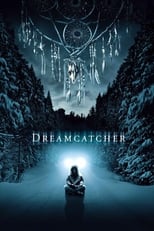
Stephen King's 2001 novel Dreamcatcher arrived with a fascinating backstory: it was the first book King wrote entirely by hand after a devastating 1999 car accident nearly killed him. While recuperating and managing pain with Oxycontin, King channeled his experience into a sprawling tale of four friends, telepathic bonds, parasitic aliens, and a secret military unit—all set against the snowy Maine wilderness he made famous. The novel was a commercial hit, debuting at number one on the New York Times bestseller list, though King himself later soured on it, admitting the painkillers influenced the writing in ways he didn't love.
Warner Bros. moved quickly to adapt the book, and the film arrived in March 2003 with an impressive pedigree: directed by Lawrence Kasdan (The Big Chill, The Empire Strikes Back co-writer) and co-written by legendary screenwriter William Goldman (The Princess Bride, Butch Cassidy and the Sundance Kid). The cast was stacked with talent including Thomas Jane, Jason Lee, Damian Lewis, Timothy Olyphant, Morgan Freeman, Tom Sizemore, and Donnie Wahlberg. On paper, it looked like a sure thing.
Unfortunately, Dreamcatcher became one of the more notorious Stephen King adaptations. Critics savaged the film for its wildly uneven tone—lurching between gross-out body horror, earnest friendship drama, and bizarre humor involving a character possessed by an alien who speaks with a British accent. The infamous 'shit weasels' (alien parasites that gestate inside human hosts and burst out violently) proved too ridiculous for many viewers. The film grossed only $75.7 million against a $68 million budget, making it a box-office disappointment.
In the years since, Dreamcatcher has developed a cult following among fans who appreciate its sheer weirdness and commitment to King's stranger impulses. It stands as a fascinating artifact of early-2000s horror cinema—a big-budget, R-rated studio film that took enormous swings, even if most of them missed. The film's failure also marked a turning point: it was the last time Lawrence Kasdan directed a theatrical feature for nearly a decade, and it contributed to a period where studios became more cautious about King adaptations until the horror renaissance of the 2010s.
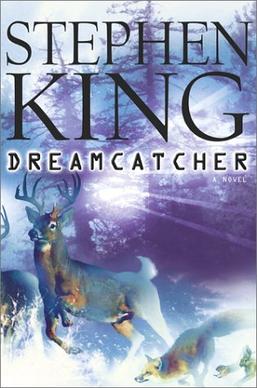
Dreamcatcher is a science fiction horror novel by American author Stephen King, published in 2001. The book was written in longhand as King recovered from a near-fatal car accident in 1999, and the experience of pain and medication heavily influenced its surreal, body-horror elements. The working title was 'Cancer,' but King's wife, Tabitha, persuaded him to change it to Dreamcatcher.
The story follows four lifelong friends—Jonesy, Beaver, Pete, and Henry—who share a telepathic bond forged in childhood when they rescued a boy with Down syndrome named Duddits from bullies. As adults, their annual hunting trip in the Maine woods is interrupted by a parasitic alien invasion and a rogue military operation. The novel blends alien invasion tropes with psychological horror, exploring themes of friendship, memory, and trauma.
King has since expressed mixed feelings about the novel, later telling Rolling Stone that he doesn't like it very much and acknowledging it was written under the influence of Oxycontin. Despite this, Dreamcatcher debuted at number one on the New York Times bestseller list and remains a notable entry in King's early-2000s bibliography, representing a period of creative recovery following his accident.