🎬 A Dog's Will (2000)
Part of O Auto da Compadecida: Coleção
The 2000 film 'A Dog's Will' ('O Auto da Compadecida') is a masterful adaptation of Ariano Suassuna's iconic 1955 play of the same name, directed by Guel Arraes. Originally conceived as a television miniseries, it was re-edited into a feature film that became a landmark of Brazilian cinema, beloved for its sharp humor, profound humanity, and faithful yet inventive translation of the source material. The screenplay, co-written by Arraes with Adriana and João Falcão, not only adapts the central play but also weaves in elements from two other Suassuna works, 'The Ghost and the Sow' and 'Torture of a Heart,' enriching the world of its roguish protagonists.
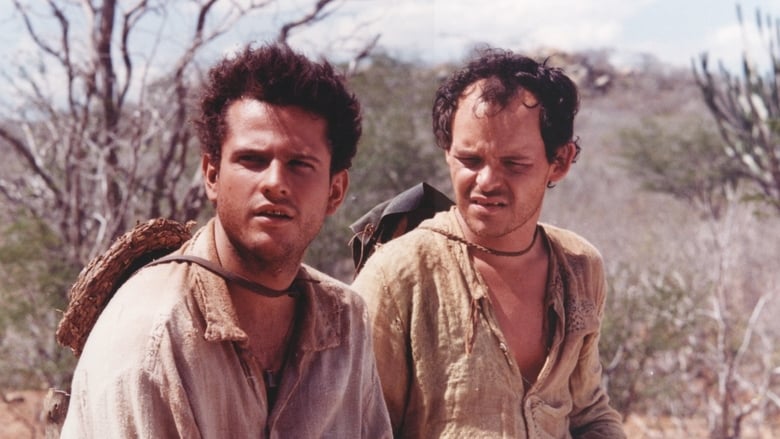
The film brings the arid sertão of the 1930s to life with a vibrant, almost theatrical aesthetic, perfectly capturing the play's blend of popular comedy and spiritual allegory. Matheus Nachtergaele and Selton Mello deliver career-defining performances as João Grilo and Chicó, a pair of lovable con men whose schemes to survive poverty lead them from a stolen dog's death to a heavenly tribunal. The narrative culminates in a brilliantly staged afterlife judgment, where Fernanda Montenegro's compassionate Virgin Mary intercedes for the souls of the dead, arguing against a stern, businesslike Jesus for the flawed but forgivable humanity of the characters.
'A Dog's Will' is more than just a comedy; it is a deeply rooted cultural artifact that celebrates the oral storytelling traditions of Brazil's Northeast, particularly the 'literatura de cordel.' The film's success lies in its ability to balance slapstick humor with poignant social critique, targeting the hypocrisy of the rich and the clergy while exalting the cleverness and resilience of the poor. Its dialogue, full of witty wordplay and regional charm, has become part of the Brazilian popular lexicon. The film's enduring legacy was confirmed with the release of a long-awaited sequel, 'O Auto da Compadecida 2,' in December 2024, bringing back the beloved central duo for a new generation.

Auto da Compadecida is a celebrated Brazilian play written by Ariano Suassuna, first published in 1955 and premiering on stage in 1956 in Recife, Pernambuco. The play is a cornerstone of Brazilian dramatic literature, blending the rich traditions of the Northeast's popular culture with the structural elements of medieval Iberian morality plays. Suassuna masterfully combines the folk literature style known as cordel with the baroque Catholic traditions deeply rooted in the Brazilian Northeast, creating a work that is both profoundly regional and universally resonant.
The story is a picaresque comedy that follows the misadventures of João Grilo, a cunning and impoverished trickster, and his cowardly but loyal friend Chicó. Set in the harsh, arid landscape of the Brazilian sertão, the narrative weaves together their earthly schemes with a celestial trial after their deaths. The play's title refers to the Virgin Mary, the 'Compadecida' or compassionate one, who intercedes on behalf of the characters before a severe and businesslike Christ, arguing for mercy over strict judgment.
Suassuna's work is a vibrant tapestry of humor, social commentary, and deep spirituality. It critiques the hypocrisy of the wealthy and powerful—embodied by figures like a greedy baker and a corrupt bishop—while celebrating the resilience, wit, and humanity of the common people. The play's language is a unique blend of erudite references and the sharp, colloquial wit of the sertanejo, making it a landmark in the affirmation of Brazilian popular culture as high art.
O Auto da Compadecida is a Brazilian film series based on the play of the same name by Ariano Suassuna. The series blends comedy, drama, and religious satire, set in the impoverished Brazilian Northeast. It follows the adventures of two friends, João Grilo and Chicó, as they navigate a world of trickery, injustice, and miracles. The stories are known for their sharp wit, folkloric elements, and critique of social hierarchies. The series has become a beloved part of Brazilian popular culture, celebrated for its humor and its adaptation of Suassuna's classic work.