📺 Cyborg 009 (1968)
Based on manga
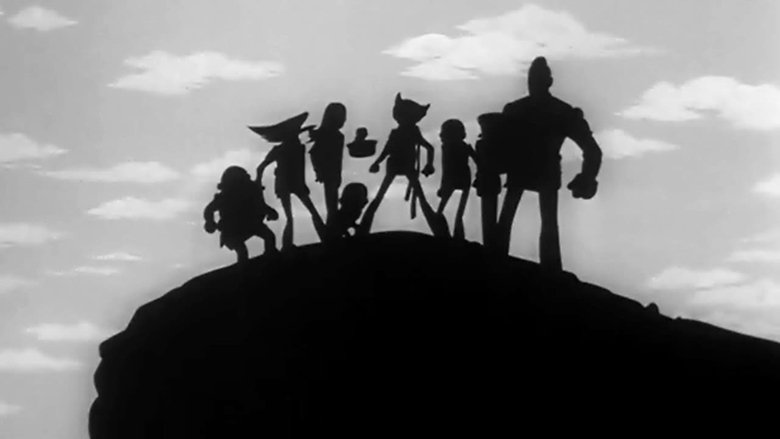
The 1968 television series 'Cyborg 009' is a landmark in anime history, representing the first animated series adaptation of Shotaro Ishinomori's groundbreaking manga. Produced by Toei Animation and directed by Yugo Serikawa, who had previously helmed two theatrical film adaptations of the same property, the show aired on NET (now TV Asahi) from April to September 1968. This early color anime brought the story of nine escaped cyborgs to a weekly audience, adapting the manga's core premise of a diverse group of unwilling super-soldiers who turn against the evil Black Ghost organization that created them.
While the 1968 series is a direct adaptation of the manga, it is notable for carrying over some narrative and design changes that had been introduced in the earlier 1966 and 1967 theatrical films, also produced by Toei. The show condensed and reworked storylines from the sprawling, multi-magazine manga to fit its 26-episode run. It featured the iconic team led by Joe Shimamura (009), alongside characters like the telekinetic Ivan Whisky (001) and the weapons expert Great Britain (007), capturing the tragic yet hopeful tone of Ishinomori's work. The opening theme, 'Cyborg 009' by Meistersinger, and the ending theme, 'Tatakai Owatte' by Vocal Shop, became synonymous with the series for a generation of viewers.
'Cyborg 009' would go on to become one of the most frequently adapted manga in anime, with subsequent television series in 1979 and 2001, each reinterpreting the source material for a new era. The 1968 version, however, holds a special place as the pioneering effort that first translated the manga's dynamic action and anti-war themes to the small screen, cementing the cyborg team's status as pop culture icons in Japan and laying the groundwork for the franchise's enduring legacy.
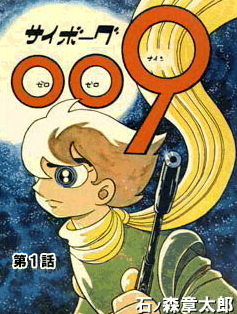
Cyborg 009 is a Japanese science fiction manga series created by Shotaro Ishinomori. It was first published on July 19, 1964, and was serialized across numerous Japanese magazines over its long run, including Monthly Shōnen King, Weekly Shōnen Magazine, and Weekly Shōnen Sunday, finally concluding its regular serialization in 1981. The series is considered Ishinomori's first major success and is credited with introducing the concept of a super-powered team to manga.
The story follows nine ordinary humans from around the world who are kidnapped by the evil Black Ghost organization and transformed into powerful cyborgs. Led by the titular 009, a Japanese former delinquent named Joe Shimamura, the team rebels against their creators and uses their unique mechanical abilities to fight for peace and justice. The series explores themes of humanity, technology, and the trauma of war, with each cyborg grappling with their lost humanity.
Cyborg 009 is notable for its diverse international cast of characters, a progressive concept for its time, and its blend of high-octane action with social commentary. Its publication history is famously complex, having jumped between different publishers and magazines, which resulted in multiple distinct story arcs and shifting artistic styles. The manga's enduring popularity established it as a cornerstone of the sci-fi and superhero genres in Japan, influencing countless later works.