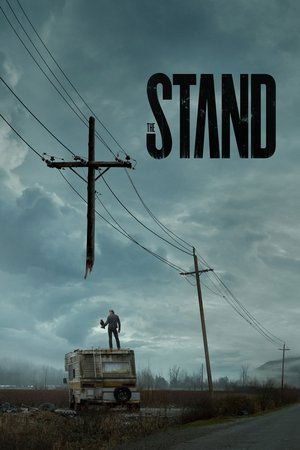
📺 The Stand (1994)
Based on novel
Mick Garris's 1994 miniseries adaptation of The Stand remains a landmark in television horror, not just for its ambition but for the unique alchemy of its creation. After George A. Romero's planned theatrical feature collapsed under the sheer weight of the novel's scale, the project found a more natural home on ABC as a four-night event. This format allowed the story to breathe, but it also required a delicate balancing act. The most significant voice in that process was Stephen King himself, who penned the teleplay. His involvement ensured a fidelity to the spirit of the book, but it also meant making tough, pragmatic choices. The sprawling, 1,100-page uncut novel had to be condensed, leading to the streamlining of several character arcs and the complete omission of others, most notably the feral boy known as The Kid, whose unhinged chapter with the Trashcan Man was deemed too disturbing and tangential for network television.
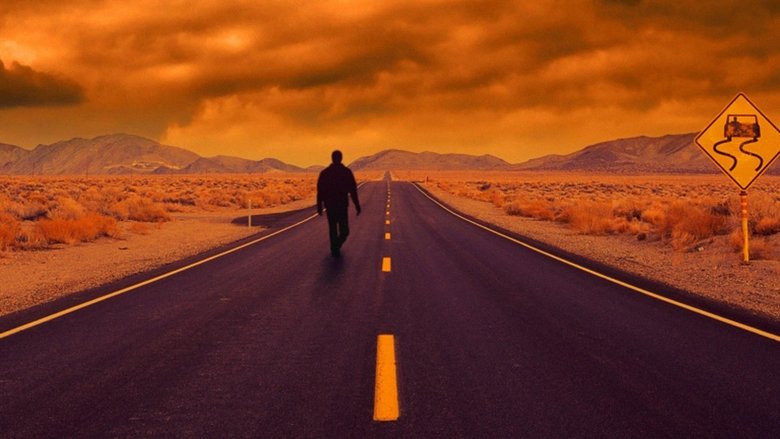
This translation from page to screen is defined by its casting, which is a fascinating mix of pitch-perfect choices and more divisive ones. Gary Sinise's Stu Redman became the stoic, moral center of the story, a performance so definitive it's hard to imagine another actor in the role. The miniseries also made a brilliant, unexpected choice with Jamey Sheridan's Randall Flagg. Rather than a purely monstrous figure, Sheridan played the villain with a grinning, rockabilly charisma—a denim-clad devil whose seductive charm made his evil all the more insidious. Conversely, Molly Ringwald's Frannie Goldsmith was a point of contention for some fans, who felt her performance didn't fully capture the character's inner steel. The production itself, shot largely in the stark landscapes of Utah and Nevada, effectively conveyed the eerie quiet of a depopulated America, even if some of the 1994 visual effects, like Flagg's demonic face in the finale, have aged into a certain charmingly dated quality.
Where the adaptation truly succeeded was in capturing the novel's epic, almost biblical sweep. The structure of a road movie, as survivors are drawn by dreams toward either Mother Abagail's haven in Boulder or Flagg's totalitarian playground in Las Vegas, translated perfectly to the miniseries format. The soundtrack, a tapestry of classic rock and blues, became a character in itself, grounding the apocalyptic horror in a distinctly American soundscape. The sequence set to Blue Öyster Cult's "(Don't Fear) The Reaper" remains a masterclass in montage, a grimly poetic opening credits sequence that wordlessly establishes the spread of the superflu. The miniseries didn't shy away from the novel's mysticism, fully embracing the divine intervention of the "Hand of God" climax, a literal deus ex machina that remains as controversial on screen as it was on the page.
Upon its broadcast in May 1994, The Stand was a ratings juggernaut, drawing tens of millions of viewers and proving that a faithful, long-form King adaptation could be a mainstream television event. It arrived at the peak of a 1990s King renaissance, just before The Shawshank Redemption, and helped pave the way for future miniseries events. While a glossy, modern remake in 2020 would attempt a more psychologically complex and less reverent take, the 1994 version endures for its earnest, almost folk-art quality. It feels less like a polished studio product and more like a passionate, slightly rough-hewn attempt to put a beloved, unwieldy American epic directly onto the screen, guided by the hand of its creator.

The Stand is a post-apocalyptic horror novel written by Stephen King, first published in an abridged version in 1978 by Doubleday, with the complete, uncut edition released in 1990. Spanning over a thousand pages in its full form, the story unfolds in a world ravaged by a superflu pandemic known as Captain Trips, engineered as a biological weapon that escapes a government lab and wipes out 99.4% of the global population. The narrative follows the survivors, who experience vivid dreams drawing them to two opposing leaders: the 108-year-old prophetic Mother Abagail, representing divine good, and the demonic Randall Flagg, embodying evil, as they form communities in Boulder, Colorado, and Las Vegas, Nevada, respectively, culminating in an epic battle between good and evil.
King drew inspiration from biblical apocalypse themes, classic Westerns, and his own fears of pandemics, weaving a tapestry of richly developed characters—including Stu Redman, Nick Andros, Larry Underwood, and Nadine Cross—whose personal struggles mirror larger moral conflicts. The novel explores themes of faith, redemption, free will, and the fragility of civilization, blending horror, fantasy, and social commentary. Its cultural impact is profound, cementing King's status as a master storyteller and influencing perceptions of apocalyptic fiction.