📺 The Flash (1990)
Based on comic
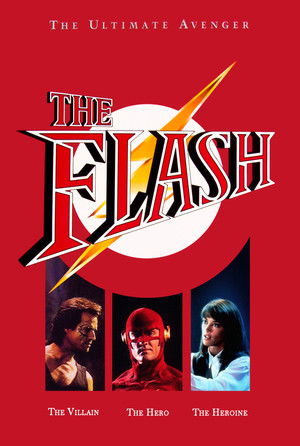
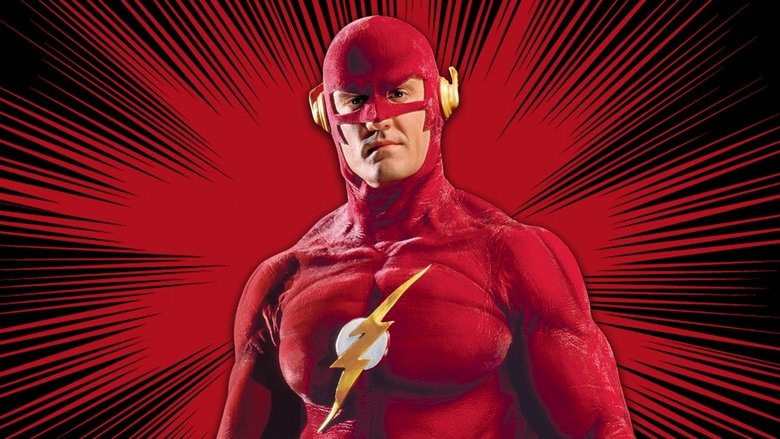
The 1990 television series The Flash brought DC Comics' Scarlet Speedster to live-action for the first time in a leading role. Developed by Danny Bilson and Paul De Meo, the show aired on CBS for a single season from 1990 to 1991. It starred John Wesley Shipp as Barry Allen, a Central City forensic scientist who gains superhuman speed after a lightning strike and chemical spill in his lab. The series took a grounded, crime-drama approach to the character, with Barry using his powers to fight criminals while assisted by S.T.A.R. Labs scientist Dr. Tina McGee, played by Amanda Pays.
The show was notable for its ambitious special effects for the era, particularly the visual representation of Barry's super-speed, and for its moody, cinematic aesthetic influenced by Tim Burton's Batman. While it developed a cult following, high production costs and competition from other networks led to its cancellation after 22 episodes. Despite its short run, the series left a lasting legacy. It featured Mark Hamill in a memorable recurring role as the Trickster, a performance so iconic that Hamill would later reprise the character in various animated projects and, decades later, in the 2014 Flash television series.
In a remarkable example of cross-generational superhero storytelling, the 1990 series was retroactively incorporated into the Arrowverse multiverse. John Wesley Shipp returned to the role of Barry Allen for the crossover events Elseworlds and Crisis on Infinite Earths, where his version of the Flash was established as the hero of Earth-90. Shipp also played other key roles on the 2014 series, including Barry's father Henry Allen and the Golden Age Flash, Jay Garrick. Amanda Pays and Alex Désert also reprised their original roles as alternate-universe versions of Tina McGee and Julio Mendez, creating a touching bridge between two distinct eras of DC television.

Barry Allen is a fictional superhero appearing in American comic books published by DC Comics. He is the second character to take on the mantle of the Flash, following the Golden Age hero Jay Garrick. The character was created by writer Robert Kanigher and penciler Carmine Infantino, making his debut in Showcase #4 in October 1956. Barry is a forensic scientist for the Central City Police Department who gains the power of superhuman speed after being struck by lightning and doused in chemicals in his laboratory.
Barry Allen's introduction is widely credited with launching the Silver Age of Comic Books, revitalizing the superhero genre after its post-World War II decline. His success led to a massive expansion of DC's roster of science fiction-oriented heroes and established the concept of the multiverse within DC Comics continuity. As the Flash, Barry is a founding member of the Justice League of America, cementing his place as one of the publisher's most iconic and enduring characters.
Over the decades, Barry Allen has been featured in countless comic book series, graphic novels, and crossover events. His personal life, including his marriage to Iris West and his relationships with fellow speedsters like Wally West and Jay Garrick, forms a rich supporting cast. The character was famously killed off during the Crisis on Infinite Earths event in 1985, remaining absent from regular continuity for over two decades before being resurrected in 2008's Final Crisis, returning to his role as the primary Flash.