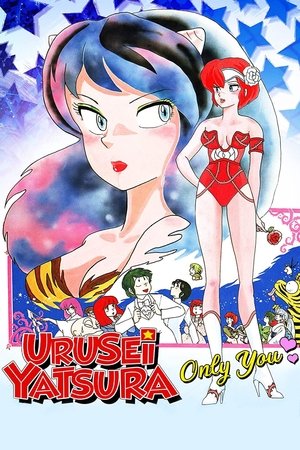
🎬 Urusei Yatsura: Beautiful Dreamer (1984)
Part of Urusei Yatsura
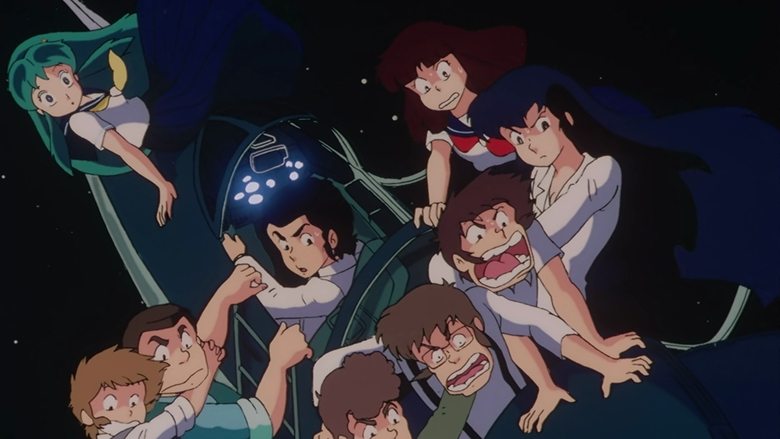
Urusei Yatsura 2: Beautiful Dreamer stands as a fascinating anomaly in the landscape of anime film adaptations, a work that famously diverges from its source material to become something entirely its own. Directed by Mamoru Oshii, the film abandons the straightforward alien-girlfriend slapstick of Rumiko Takahashi's beloved manga in favor of a surreal, philosophical puzzle. The story traps the chaotic residents of Tomobiki in a time loop on the eve of their school festival, forcing characters like Ataru and Lum to confront a reality that is slowly, beautifully unraveling. This was a bold move for only the second theatrical film in the franchise, trading the guaranteed laughs of Takahashi's formula for a meditative exploration of dreams, perception, and the nature of existence itself.
Oshii's approach was a radical re-interpretation rather than a faithful adaptation. Where the manga and TV series thrived on manic energy and comedic misunderstandings, Beautiful Dreamer slows the pace to a hypnotic crawl, layering an atmosphere of creeping dread beneath its pastel visuals. The film uses the familiar cast as pawns in a metaphysical mystery, with the lecherous Ataru ironically becoming the only one to notice the glitch in their repeating days. This creative choice was initially divisive; even Takahashi herself reportedly expressed reservations about how far the film strayed from her original vision. The narrative prioritizes mood and theme over character gags, transforming the setting into a ghost town where the convenience store never closes and the festival preparations never end.
The film's legacy has only grown over time, cementing its status as a cult classic and a clear precursor to Oshii's later masterpieces like Ghost in the Shell. Its influence can be felt in a surprising array of subsequent works, drawing comparisons to the time-loop logic of Groundhog Day and the reality-bending architecture of Dark City and Inception, all of which arrived years later. Beautiful Dreamer is now celebrated not just as an Urusei Yatsura story, but as an essential piece of anime cinema that demonstrated how a director's singular vision could elevate a commercial property into a profound artistic statement, even at the risk of bewildering its core audience.

Urusei Yatsura is a Japanese manga series written and illustrated by Rumiko Takahashi. It was serialized in Shogakukan's Weekly Shōnen Sunday magazine from August 1978 to January 1987, with its 366 individual chapters collected into 34 tankōbon volumes. The series is a romantic comedy with strong elements of science fiction and fantasy, heavily incorporating Japanese mythology, culture, and wordplay.
The story follows Ataru Moroboshi, an unlucky and lecherous high school student in the fictional Tomobiki district, whose life is turned upside down when aliens known as the Oni invade Earth. When Ataru is randomly selected to compete against the Oni princess Lum in a game of tag to decide the planet's fate, he accidentally proposes to her upon winning. Lum, an alien who can fly and discharge electrical shocks, takes the proposal seriously and moves in with him, becoming his self-proclaimed wife. The series follows their chaotic daily lives as Lum fends off Ataru's constant flirtations with other women while a colorful cast of bizarre characters—including a lecherous monk, a beautiful shrine maiden, and various extraterrestrial visitors—create endless comedic mayhem.
Urusei Yatsura was Rumiko Takahashi's first major work and established her as one of Japan's most influential manga artists. The series became a cultural phenomenon in Japan during the 1980s, launching a massive franchise that included a long-running television anime, multiple theatrical films, OVAs, and extensive merchandising. Its blend of slapstick comedy, science fiction, and romantic tension influenced countless subsequent works in the manga and anime industry, and Lum became one of the most iconic anime characters of the era, often credited with popularizing the tsundere archetype.

Born from the creative vision of mangaka Rumiko Takahashi, this collection of theatrical films extends the world of the beloved manga and television series that first captivated audiences in the late 1970s. Blending the dramatic storytelling techniques of gekiga with the lighthearted, slapstick humor of gag manga, the films capture the unique narrative voice that made the property a defining pillar of Japanese pop culture. The series follows the chaotic romantic entanglements between a human high school student and an alien princess, set against a backdrop of quirky supporting characters and supernatural phenomena. The six films, released between 1983 and 1991, offer a range of interpretations—from direct adaptations of Takahashi's stories to more experimental, director-driven visions that expand the thematic and visual boundaries of the source material. At its core, the saga explores themes of love, identity, and the clash between tradition and modernity, all wrapped in a vibrant sci-fi comedy package. The films collectively showcase the evolution of the characters and their relationships, moving from episodic adventures to a conclusive emotional arc. Notably, the second entry, Beautiful Dreamer, directed by Mamoru Oshii, is often singled out for its surreal, philosophical departure from the series' typical tone, demonstrating the creative risks that could be taken within this established universe. The collection's influence extended far beyond its initial run, shaping the landscape of romantic comedy anime and inspiring countless creators in the decades that followed. Even decades after its debut, the Urusei Yatsura films remain celebrated classics, continually rediscovered by new generations of fans. Their enduring appeal lies in the masterful balance of heartfelt romance, inventive world-building, and timeless humor. As a cultural phenomenon, this film series stands as a testament to the creative peak of the 1980s anime industry and continues to be studied and celebrated for its artistic and historical significance.