📺 Spider-Man (1981)
Part of Spider-Man (TV)
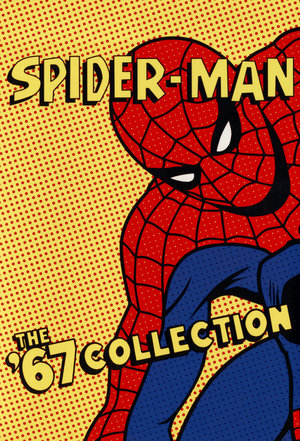
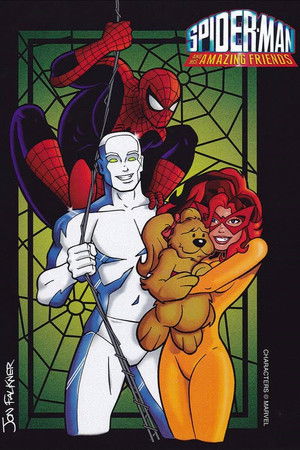
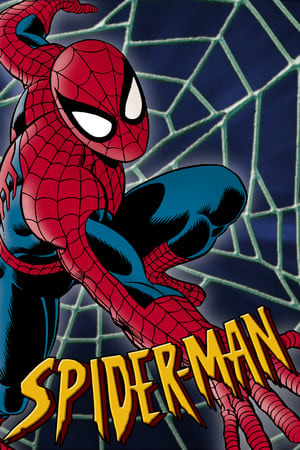
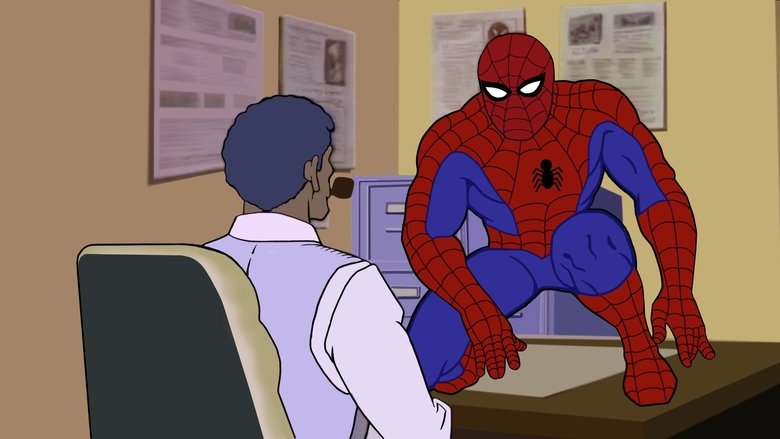
Spider-Man is a 1981 American animated television series produced by Marvel Productions, marking the second solo animated series featuring the wall-crawler after the 1967 show. The series ran for a single season of 26 episodes and aired in syndication, often paired with the concurrently produced Spider-Man and His Amazing Friends, which featured a similar animation style and shared some voice talent.
The 1981 series drew heavily from the original Marvel Comics, particularly The Amazing Spider-Man series that began in 1963. It adapted Peter Parker's dual life as a university student and part-time photographer for the Daily Bugle while fighting crime as Spider-Man. The show featured a wide array of classic villains from the comics, including Doctor Octopus, the Green Goblin, the Vulture, Mysterio, and Sandman, as well as guest appearances from other Marvel characters like Captain America and the Sub-Mariner.
Ted Schwartz voiced Peter Parker and Spider-Man, bringing a youthful energy to the character. The series was notable for its relatively faithful adaptation of the comic book source material compared to the campier 1967 series, though it still operated within the constraints of 1980s Saturday morning cartoon standards. Six episodes notably featured Doctor Doom, the primary antagonist of the Fantastic Four, as a crossover villain—an unusual choice that highlighted Marvel's interconnected universe on screen.
While not as widely remembered as the 1990s Spider-Man: The Animated Series, the 1981 show holds a place in the character's extensive media history. It represented an era when Marvel was expanding its animated presence on television, and it helped maintain Spider-Man's visibility between the live-action television series of the late 1970s and the character's eventual blockbuster film debut decades later.

The Amazing Spider-Man is a superhero comic book series published by Marvel Comics, featuring the character Spider-Man. Created by writer-editor Stan Lee and artist Steve Ditko, the series debuted with a cover date of March 1963, following the character's first appearance in Amazing Fantasy #15 (1962). The series follows the adventures of Peter Parker, a high school student from Queens, New York, who gains spider-like abilities after being bitten by a radioactive spider. Guided by the principle that 'with great power comes great responsibility,' Peter balances his personal life—including his job as a photographer for the Daily Bugle and his relationships with Aunt May and Gwen Stacy—with his crime-fighting duties as Spider-Man.
The series quickly became a cultural phenomenon, defining the teenage superhero archetype and introducing a rogues' gallery of iconic villains, including the Green Goblin, Doctor Octopus, and the Lizard. Lee and Ditko's run established the blend of personal drama, humor, and action that has characterized the character for decades. Over the years, The Amazing Spider-Man has been written and drawn by some of the industry's most celebrated creators, and its storylines have influenced countless adaptations across media, cementing Spider-Man as one of the most recognizable and enduring fictional characters in popular culture.
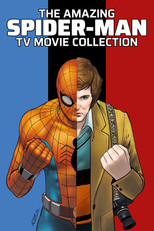
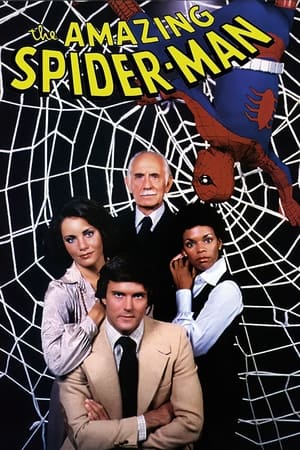
This collection represents a unique chapter in superhero television history, born from the creative repurposing of a classic live-action series. Originally conceived for weekly broadcast on CBS, the 1977 'The Amazing Spider-Man' series starred Nicholas Hammond as the titular hero. After its television run, several episodes were re-edited and expanded into feature-length films for international theatrical release, showcasing an early experiment in cross-media storytelling. This approach highlights how television networks and distributors navigated the growing demand for comic book adaptations during the late twentieth century, transforming episodic content into standalone cinematic experiences for global audiences.
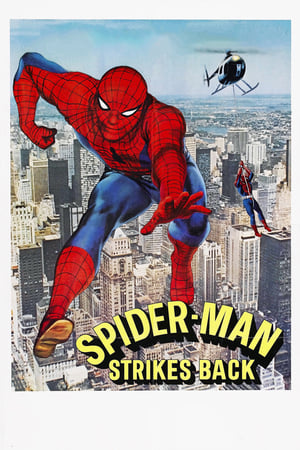
The narrative foundation rests on the timeless struggle of a young hero balancing everyday responsibilities with extraordinary duties. Grounded in the practical effects and straightforward storytelling of its era, the series emphasizes classic villain confrontations, scientific mysteries, and the enduring theme of responsibility. Its production style reflects the transitional period of television superhero programming, blending campy sensibilities with genuine character development and a strong emphasis on physical stunts. The three films—'Spider-Man' (1977), 'Spider-Man Strikes Back' (1978), and 'Spider-Man: The Dragon's Challenge' (1981)—each repurpose and expand upon the television episodes, offering a condensed yet cohesive narrative arc for international viewers.
By successfully adapting television episodes into feature-length formats, this collection paved the way for future multimedia expansions of comic book properties. It remains a cherished artifact for fans of vintage superhero media, offering a nostalgic glimpse into how early adaptations navigated budget constraints while maintaining the core spirit of the source material. Its enduring appeal lies in its straightforward heroism and the pioneering approach to content distribution across different global markets, serving as a bridge between the serialized adventures of the small screen and the blockbuster potential of the big screen.