📺 Doctor Who (1963)
Part of Whoniverse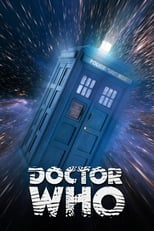
Doctor Who is a British science fiction television series produced by the BBC that originally ran from 1963 to 1989. The series follows the adventures of the Doctor, a mysterious alien Time Lord from the planet Galliford who travels through time and space in the TARDIS, a time machine that looks like a British police box on the outside. The Doctor is accompanied by a rotating cast of companions who assist in battling foes, saving civilizations, and righting wrongs.
The show was created by Sydney Newman, C. E. Webber, and Donald Wilson, with the first episode airing on November 23, 1963. A key innovation was the concept of regeneration, introduced in 1966 when the First Doctor, played by William Hartnell, transformed into the Second Doctor, Patrick Troughton. This allowed the series to recast the lead actor while maintaining narrative continuity, a device that has become central to the show's longevity. Over its original 26-season run, seven actors officially portrayed the Doctor on screen.
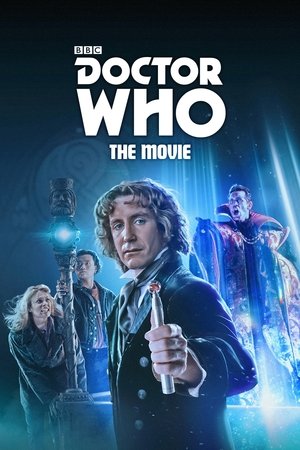
Doctor Who became a significant part of British popular culture, known for its low-budget but inventive special effects, iconic monsters like the Daleks and the Cybermen, and its ability to shift tone between historical drama, hard science fiction, and outright horror. After declining ratings and an 18-month hiatus, the series was effectively cancelled in 1989, though a one-off TV movie starring Paul McGann aired in 1996 in an attempt to revive it.
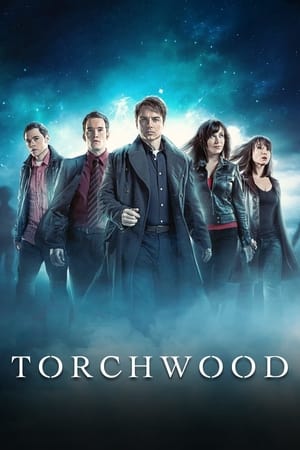
The series was successfully revived by Russell T Davies in 2005, continuing the original narrative rather than rebooting it, with Christopher Eccleston as the Ninth Doctor. This revival has led to numerous spin-offs, including Torchwood and The Sarah Jane Adventures, making Doctor Who one of the most enduring and influential science fiction franchises in television history.

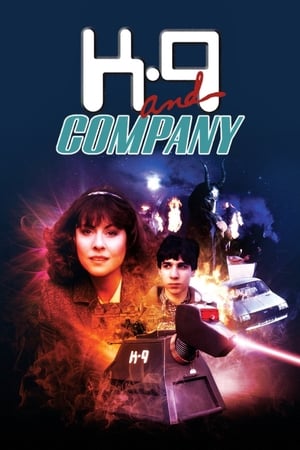
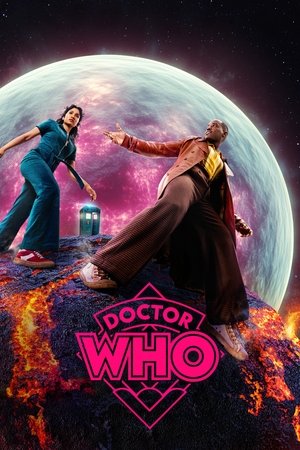
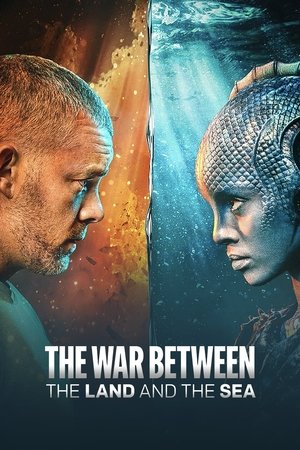
The Whoniverse is the shared narrative universe encompassing the British science-fiction television series *Doctor Who* and its associated spin-offs, films, and other media. It originated with the 1963 premiere of *Doctor Who*, which introduced the Doctor, a renegade Time Lord who travels through time and space in the TARDIS, a ship disguised as a police box. The concept of regeneration, introduced in 1966, allowed the Doctor to be recast repeatedly, ensuring the character's longevity and enabling the series to continually reinvent itself across decades. The Whoniverse expanded beyond the parent show with early attempts like the 1981 pilot *K·9 and Company* and the 1996 television movie, which bridged the classic and modern eras. However, it was the 2005 revival of *Doctor Who* under Russell T Davies that catalyzed a true interconnected universe, launching a wave of spin-off series that explored different tones and corners of the same fictional reality. These include the adult-oriented *Torchwood*, the family-friendly *The Sarah Jane Adventures*, the supernatural drama *Class*, and the Australian-produced *K·9*, alongside informational series like *Sarah Jane's Alien Files*. Characters such as Captain Jack Harkness and Sarah Jane Smith cross between shows, reinforcing a cohesive mythology where the Doctor's influence extends even when they are absent. The Whoniverse is characterized by its thematic breadth, blending camp horror, high-concept science fiction, and deep emotional storytelling. Its cultural impact is significant, having shaped British and global science-fiction television for generations. With the launch of *Doctor Who (2023)* as a co-production with Disney, the Whoniverse entered a new phase of international ambition, while upcoming series like *The War Between the Land and the Sea* promise further expansion. It remains a testament to the enduring appeal of a hero who fights injustice with intelligence and compassion rather than brute force, offering a limitless stage where past, present, and future collide.