🎬 Up and Down (1959)
Part of Cantinflas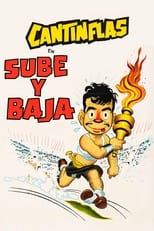
"Up and Down" (original Spanish title "Sube y baja") is a 1959 Mexican comedy film that showcases the iconic comedic talents of Mario Moreno, better known by his legendary stage persona Cantinflas. Directed by Miguel M. Delgado, a frequent collaborator with Cantinflas, the film is a classic entry in the actor's prolific filmography during the golden age of Mexican cinema. The story follows a poor but passionate sports fan who is plucked from obscurity by a sporting goods store owner after an impressive display of American football fervor. Hired as a salesman, his well-meaning but chaotic nature leads to a series of disastrous and hilarious encounters with customers, eventually landing him a demotion to elevator operator before a crucial assignment sends him to Acapulco to secure a deal with a reclusive celebrity athlete.
The film is a quintessential Cantinflas vehicle, built entirely around his signature verbal acrobatics and physical comedy. His character's journey from a lowly salesman to a man on a critical mission allows for a cascade of misunderstandings and social satire, poking fun at class distinctions and the world of high-end commerce. The plot thickens in Acapulco with a case of mistaken identity involving a millionaire woman and her sister, both vying for the attention of the famous athlete Jorge Maciel, whose face is unknown to the public. This setup provides the perfect playground for Cantinflas's characteristic ability to talk his way into and out of absurdly complicated situations.
Beyond its star power, "Up and Down" features notable behind-the-scenes talent, including art direction by the celebrated Gunther Gerszo, a key figure in Mexican cinema's visual style. The film also holds a small piece of trivia as the uncredited screen debut of Peruvian actress Ofelia Montesco, who would later become a well-known figure in Mexican genre cinema. The special participation of the Benitez Sisters adds a musical variety element typical of the era's comedies. While not considered his most groundbreaking work, the film is a solid and entertaining example of the formula that made Cantinflas an international star, blending slapstick with sharp, fast-paced dialogue.
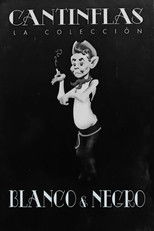
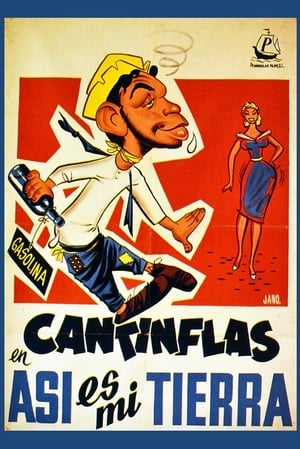
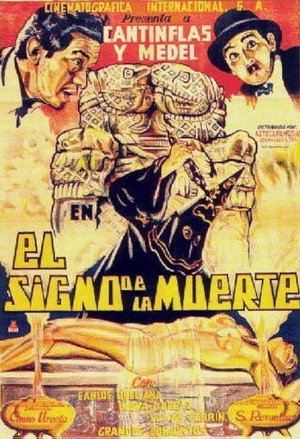
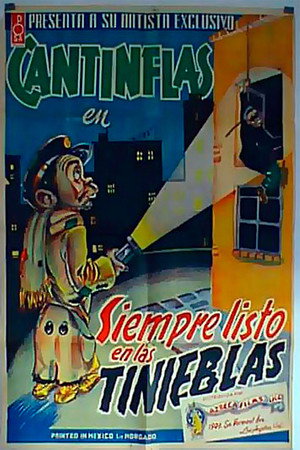
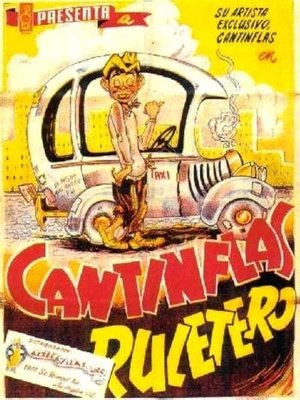
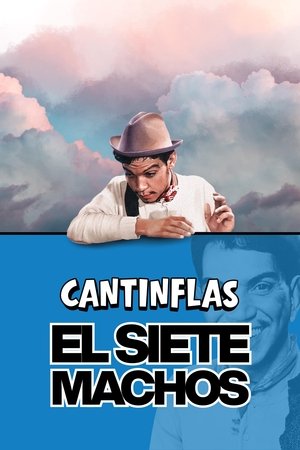
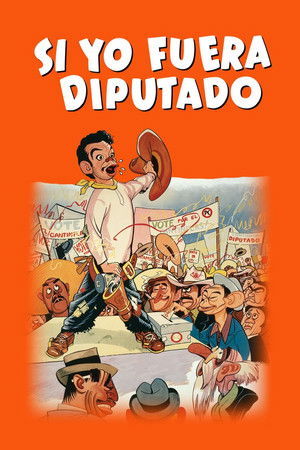
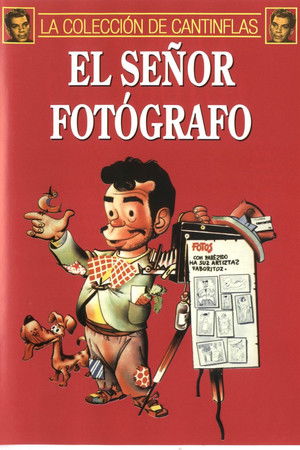
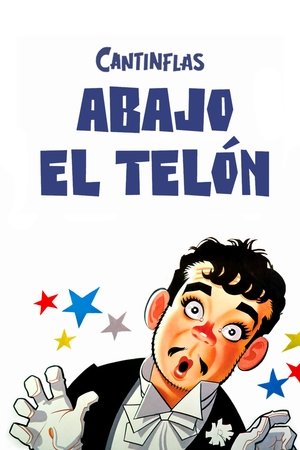
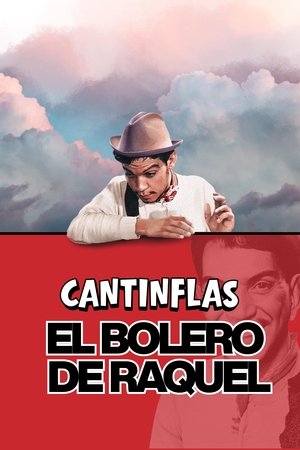
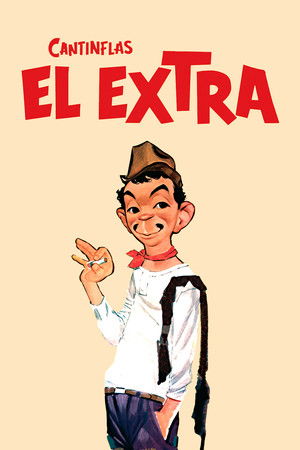
The Cantinflas collection encompasses the extensive filmography of Mario Moreno Reyes, the iconic Mexican comedian whose stage name became synonymous with a unique style of verbal acrobatics. Spanning from his 1937 debut in 'No te engañes corazón' through a career that lasted over five decades, this body of work chronicles the evolution of the 'pelado' character—a quick-witted, impoverished underdog whose rambling, nonsensical speech ('cantinfleo') allowed him to outmaneuver authority figures and navigate a rapidly modernizing Mexico. The early black-and-white films, produced during the Golden Age of Mexican cinema, established the core elements of his persona: the signature mustache, the ill-fitting trousers, and the linguistic dexterity that turned confusion into a form of social commentary.
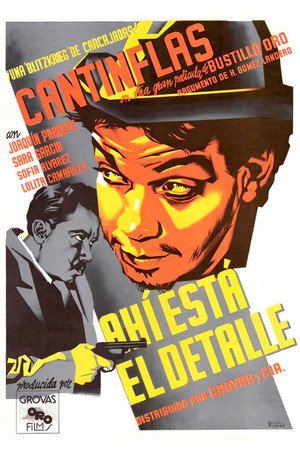
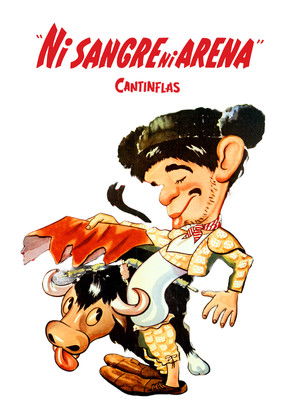
As a collection, these films are more than mere comedies; they represent a sustained cultural phenomenon that resonated deeply across Latin America and Spain. The character of Cantinflas became a folk hero for the working class, using humor to expose hypocrisy and bureaucratic absurdity. The grouping includes landmark titles such as 'Ahí está el detalle' (1940), which cemented his stardom, and 'Ni sangre ni arena' (1941), a satire of bullfighting. The films are unified by Moreno's virtuosic performance style, blending slapstick, mime, and rapid-fire dialogue that often spiraled into delightful incoherence, a technique that earned him comparisons to Charlie Chaplin and added the verb 'cantinflear' to the Spanish language.
The collection's significance extends beyond entertainment into the realms of linguistics and social history. Scholars have analyzed the Cantinflas character as a picaresque figure who subverts power through language, embodying the resilience and ingenuity of the marginalized. The films also chart the development of Mexican cinema, from its early sound era through its commercial peak, with Moreno eventually gaining creative control as a producer and director. His rare Hollywood crossover, 'Around the World in 80 Days' (1956), which is not part of this core Mexican collection, brought global recognition but the heart of his work remains in these Spanish-language productions that defined a national identity.
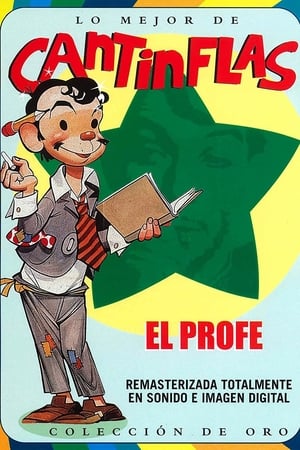
Later entries in the collection, including color films from the 1960s and 1970s such as 'El profe' (1971), show the character adapting to changing times while retaining his essential charm. Though the tone sometimes shifted toward more sentimental or moralistic storytelling, the collection as a whole stands as a monument to a single performer's ability to create an enduring archetype. It is a testament to the power of popular cinema to shape language, reflect societal tensions, and provide a voice for those without one.